


Who Pays for Mold Remediation Under UAE Rental Rules?
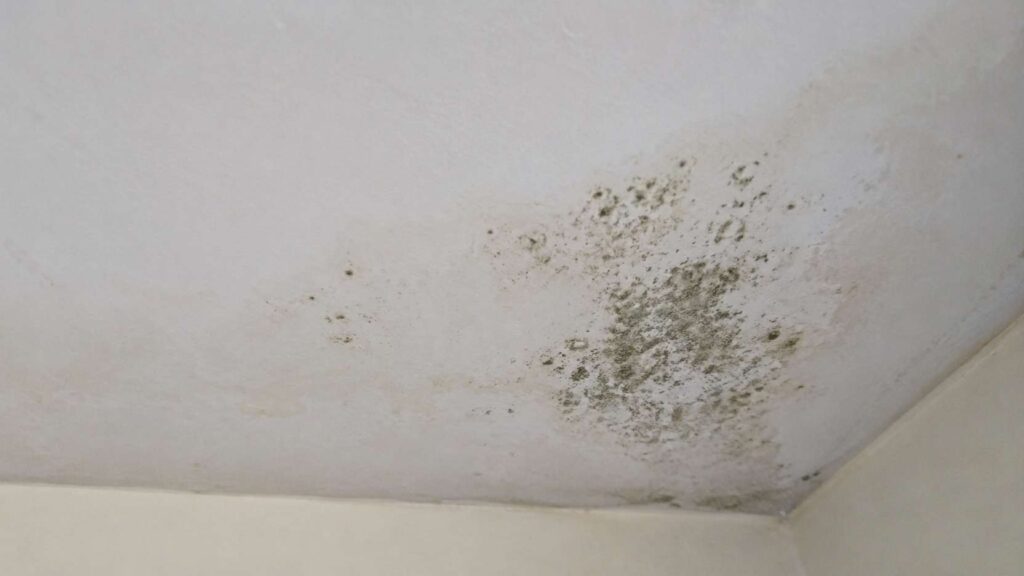
The landlord will generally be responsible when mold results from a building defect, concealed leak, failed waterproofing, or major maintenance problem. The tenant may be responsible when their actions, negligence, unauthorized alterations, or failure to perform agreed minor maintenance caused or worsened the moisture problem.
However, UAE rental laws do not establish one payment rule specifically for mold remediation. Responsibility depends on the cause, the tenancy agreement, the applicable emirate’s law, the evidence available, and, in a disputed case, the decision of the relevant rental authority.
Check this table out for a quick answer.
| Person | Usually pays when | May pay for |
|---|---|---|
| Tenant or renter | Their actions, damage, or delayed reporting caused or worsened the mold. | Tenant-caused repairs, remediation, and damaged belongings. |
| Landlord | A leak, defect, failed waterproofing, or major maintenance issue caused the mold. | Source repairs, remediation, drying, and property restoration. |
| Homeowner | Mold develops in their property and no other party is responsible. | Inspection, repairs, remediation, and restoration. |
| Building management or another party | Moisture came from a shared system, neighbouring unit, or construction defect. | Shared-system repairs and related remediation, depending on liability. |
Who Pays When You’re a Renter?
A landlord will usually be expected to pay when mold is linked to the building, its permanent systems, or a repair that legally or contractually belongs to the landlord.
Examples may include mold caused by:
- A pipe leaking inside a wall
- Water entering through the roof or external façade
- Failed bathroom waterproofing
- A defective central AC or drainage system
- Long-term dampness that existed before the tenancy
- Damage from another apartment or a shared building system
- Structural defects that prevent the property from remaining reasonably usable
Articles 15–17 of Dubai Law No. 26 of 2007 generally place responsibility for handover condition, maintenance, and defects not attributable to the tenant on the landlord, subject to the tenancy agreement. Article 19 separately requires the tenant to care for the property and perform agreed or customary tenant-level maintenance.
Abu Dhabi has a similar general division. Law No. 20 of 2006 requires the lessor to maintain the property so it remains fit for use and to carry out necessary repairs, excluding customary minor rental repairs unless the parties agreed differently. It defines necessary repairs as urgent work needed to protect the property or enable the tenant to use it.
Who Pays When You’re a Landlord?
As a landlord, you should generally expect to pay when the mold resulted from a property defect, normal deterioration, a major maintenance issue, or a condition that wasn’t caused by the tenant.
Payment may involve more than wiping or treating the visible growth. A proper response can include:
- Finding the source of moisture.
- Repairing the leak, drainage failure, or waterproofing defect.
- Drying the affected materials.
- Removing mold-contaminated porous materials when necessary.
- Cleaning and treating the remaining surfaces.
- Restoring drywall, paint, cabinets, flooring, or ceilings.

Landlords can create higher costs by authorizing only cosmetic painting while leaving the moisture problem untreated. If the wall is still damp, the mold may return, and the dispute may continue.
But don’t worry. You can definitely ask the tenant to pay when there is credible evidence that the tenant caused the damage. However, the allegation should be supported by more than a photograph of mold. Useful evidence may include an AC technician’s report, plumbing findings, moisture readings, dated inspection records, previous written warnings, and proof that the tenant delayed reporting an obvious leak.
The tenancy agreement also matters. Dubai’s maintenance obligation applies “unless otherwise agreed by the parties,” so the lease may allocate certain maintenance responsibilities differently. Even then, a broad tenant-maintenance clause may not conclusively transfer every structural defect or major repair to the tenant.
Landlords should also separate responsibility for three different expenses:
- Repairing the moisture source
- Remediating the mold contamination
- Replacing the tenant’s damaged belongings
The same party may not necessarily be responsible for all three.
Who Pays When You’re Just a Homeowner?
An owner-occupier will usually pay for mold remediation in their own villa or apartment. However, another party may be responsible when the moisture originated from a shared building component, neighbouring unit, construction defect, contractor error, or covered insured event.
In an apartment, notify the building or community management before opening walls or carrying out extensive repairs when the suspected source involves:
- Common water or drainage pipes
- The roof
- Exterior walls or façade
- Shared AC systems
- Service shafts
- Water entering from another unit
- Common-area drainage
The building management may need to investigate or repair the shared source, while the unit owner handles internal finishes. The final allocation depends on the source, building rules, ownership documents, service arrangements, and findings of the inspection.
Home insurance shouldn’t be assumed to cover mold automatically. Coverage differs between insurers and policies. Some policies cover sudden water escape but exclude the leaking component, gradual deterioration, normal maintenance, mold, fungus, or damage that developed over time.
How to Deal With Mold Remediation Responsibility
The strongest approach is to investigate first and argue about payment second. When people decide responsibility before identifying the moisture source, the problem often turns into an unproductive landlord-versus-tenant dispute.
Document the condition immediately
Take dated photographs and videos showing:
- The mold pattern
- Water staining
- Peeling paint or swollen materials
- Leaking pipes or AC components
- Condensation
Keep copies of all emails, WhatsApp messages, maintenance requests, contractor reports, and inspection appointments.
Notify the responsible party in writing
A renter should send written notice to the landlord or property manager as soon as the problem is found. Describe the location, visible damage, suspected water source, when it first appeared, and whether it is spreading.
Landlords should respond in writing and arrange an inspection rather than immediately blaming humidity or housekeeping. Both parties benefit from creating a clear timeline.
Request a cause-based inspection
A useful inspection should identify:
- Whether the affected material is currently wet
- Where the moisture is entering
- Whether the source is inside the unit or part of the building
- Whether the leak or defect has been repaired
- What steps are needed to prevent recurrence
A mold cleaning quotation without a moisture investigation may not be enough to establish who should pay. Bio-on mold remediation services are the best solution for this.
Don’t deduct remediation costs from rent without authority
As a tenant, you shouldn’t directly hire a contractor and subtract the invoice from the next rental payment. In Abu Dhabi, the law provides a route under which a tenant may, after notifying the landlord, seek permission from the relevant committee to complete required work and deduct the expense when the landlord delays or can’t be contacted. That permission step is important.
In Dubai, unresolved rental complaints fall under the Rental Disputes Center. Its official guidance states that rental cases can be submitted through the RDC system, while Dubai REST also provides rental dispute and tracking services.
Abu Dhabi rental disputes are handled by Rental Dispute Settlement Committees operating under the Abu Dhabi Judicial Department and Law No. 20 of 2006.
Hope This Is Clear About Who Should Pay What
The landlord will usually pay when mold is caused by a building defect, concealed leak, failed waterproofing, major AC problem, or another necessary property repair.
The tenant may be responsible when their actions, negligence, unauthorized alterations, or failure to perform agreed minor maintenance caused the moisture damage.
A homeowner normally pays unless responsibility can be transferred to an insurer, building management, developer, contractor, neighbouring owner, or another party.
The deciding factor should be the cause of the moisture, not simply who first noticed the mold.