


How a Water Leak and Black Mold Are Connected
A water leak and black mold are connected because mold spores are already common in indoor and outdoor air. The spores usually stay invisible and inactive until they land on a damp surface with enough food to grow.
Walls, ceilings, cabinets, flooring, and insulation can all become mold-friendly after a leak. Drywall has paper facing. Wood framing and cabinets contain cellulose. Carpet backing, dust, wallpaper glue, ceiling tiles, and insulation can also hold moisture or organic residue. Once these materials stay damp, mold has the condition it needs.
This does not mean every leak instantly becomes black mold. A small spill that is dried quickly may not cause a mold problem. The risk increases when water sits, leaks continue, humidity stays high, or wet materials dry too slowly. EPA guidance says that if wet or damp materials are dried within 24–48 hours after a leak or spill, mold growth is less likely in most cases.
The term “black mold” can also be confusing. Not every black stain is the dangerous mold people fear, and not every harmful mold is black. Black-colored mold may be several different species. The practical response is the same: do not ignore visible mold or musty odor. Find the moisture source, clean the affected area safely, and repair the leak.
Why a Small Leak Can Become a Big Mold Problem
A small leak becomes a big mold problem because water does not always stay where you can see it. It can travel behind drywall, under flooring, into cabinets, beneath baseboards, inside insulation, and along framing.
For example, a slow pipe leak behind a kitchen cabinet may not create a puddle on the floor. Instead, it may soak the cabinet base from underneath. A roof leak may appear as one small ceiling stain while wet insulation above the ceiling stays damp. An AC drain leak may wet drywall behind the unit before anyone notices.
This is why the first visible sign is often late. By the time you see black spots, bubbling paint, peeling wallpaper, swollen wood, or a musty smell, the hidden moisture may have been present for days or weeks.
The CDC says mold grows where there is moisture, including around leaks in roofs, windows, or pipes, and where flooding has occurred. That means the leak is not just plumbing trouble. It is also an indoor air and building-material problem if it is left untreated.
Here is the butterfly effect in simple form:
- A small leak starts.
- A wall, floor, ceiling, or cabinet stays damp.
- Dust, paper, wood, or drywall becomes mold food.
- Mold begins growing on or inside the material.
- The area starts smelling musty.
- Mold spreads or returns after cleaning.
- Repair becomes more expensive than fixing the original leak.
That is why quick action matters.
7 Ways a Water Leak Can Lead to Black Mold
A leak can create mold in more than one way. Some are obvious. Others are hidden.
1. Leaks Keep Porous Materials Damp
Porous materials are the biggest concern because they absorb water. Drywall, insulation, carpet padding, wood, particleboard, and ceiling tiles can hold moisture inside. Once mold grows into these materials, wiping the surface may not be enough.
A painted wall may look mostly dry, while the back of the drywall is still wet. A cabinet may look stained on the surface, while the particleboard core is swollen and contaminated. A carpet may feel dry on top, while the padding underneath stays damp.
If porous material remains wet for too long, removal may be safer than surface cleaning.
2. Hidden Leaks Delay Detection
Leaks inside walls, ceilings, under floors, and behind cabinets are more dangerous because they are harder to notice. You may only see the problem after mold odor or staining appears.
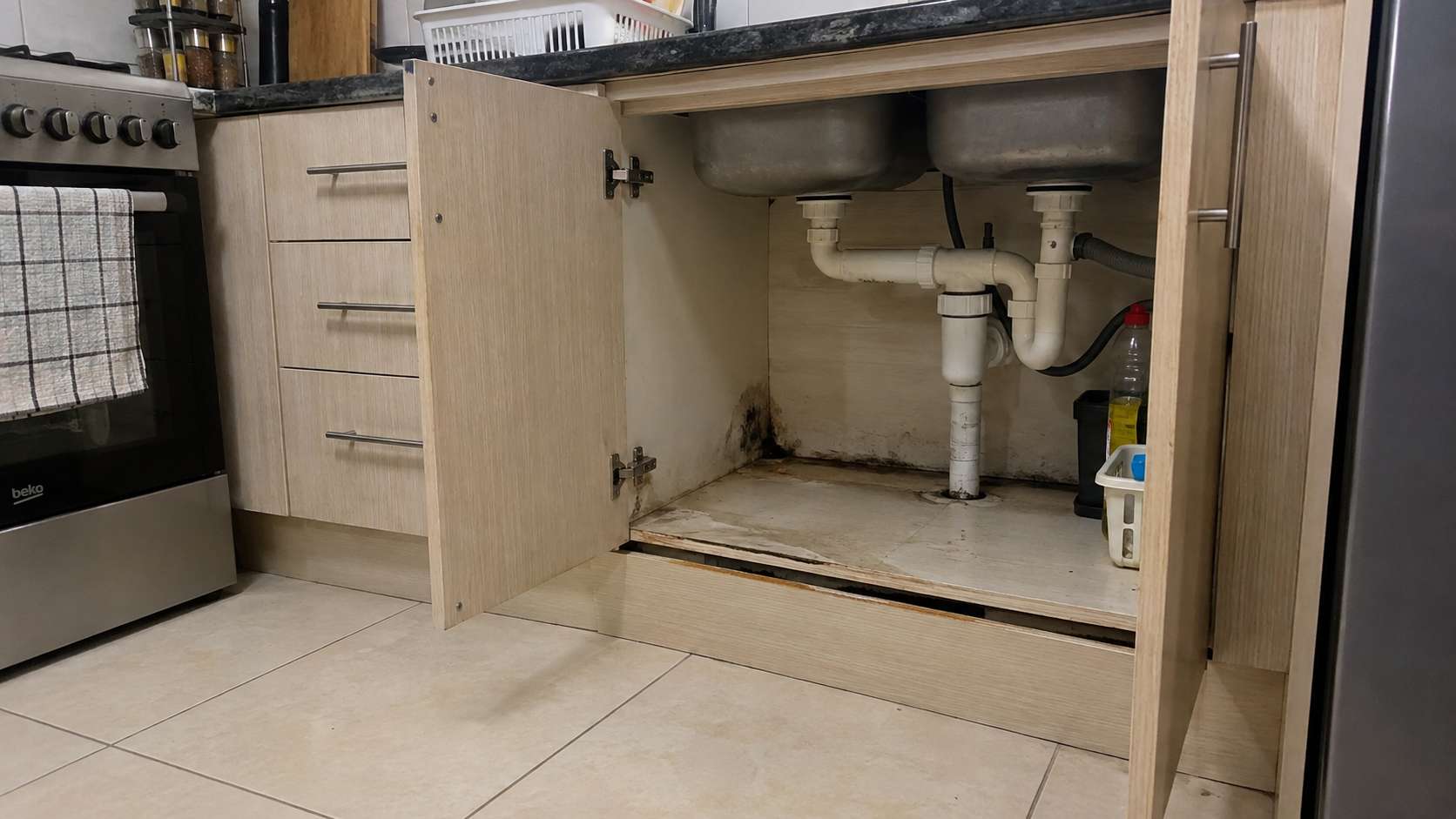
Common hidden leak areas include:
- Under kitchen sinks
- Behind bathroom walls
- Around toilet bases
- Behind washing machines
- Around windows
- Under AC units
- Inside ceiling cavities
- Behind built-in cabinets
- Around roof penetrations
A hidden leak gives mold time. The longer moisture stays, the more likely the affected area becomes a mold source.
3. Water Stains Can Hide Mold Behind the Surface
A brown water stain does not always mean active mold, but it tells you water has been there. If the material dried quickly and stayed dry, the stain may be cosmetic. If the stain keeps growing, smells musty, or feels soft, there may be mold behind the surface.
Do not just paint over a water stain. Paint can hide the warning sign while moisture and mold remain behind it. EPA guidance says moldy surfaces should be cleaned and dried before painting, because painting over moldy surfaces is likely to peel.
4. Leaks Raise Humidity in Enclosed Spaces
Some leaks do not soak a large area directly. Instead, they raise humidity inside a cabinet, wall cavity, bathroom, closet, basement, or AC area. That moisture can condense on cooler surfaces and encourage mildew or mold.
This is common under sinks, inside poorly ventilated bathrooms, behind furniture, and in closets near damp exterior walls. You may not see dripping water. You may smell mustiness first.
5. Repeated Small Leaks Can Be Worse Than One Spill
A one-time spill that is dried quickly may not cause mold. But a repeated drip is different. A tiny leak that happens every day can keep a material damp enough for mold growth.
This often happens with loose pipe joints, bad toilet seals, leaking shower corners, cracked caulk, AC drain problems, or window leaks during rain. The leak may look too small to matter, but mold does not need a flood. It only needs persistent moisture.
6. Leaks Can Damage the Barrier That Protects the Home
Water leaks can weaken paint, caulk, grout, sealant, drywall paper, wood finishes, and flooring edges. Once these protective layers fail, more moisture enters the material.
That is why peeling paint, bubbling drywall, cracked caulk, loose tiles, swollen baseboards, or lifted flooring should not be ignored. These are not just cosmetic signs. They can mean water is already entering places it should not.
7. Mold Can Keep Returning If Only the Surface Is Cleaned
If black mold keeps coming back after cleaning, the leak or damp source is probably still active. A cleaner may remove visible mold from the surface, but it cannot repair a pipe, stop roof water, dry insulation, or fix condensation inside a wall.

The EPA says there is no practical way to eliminate all mold spores indoors; the way to control indoor mold growth is to control moisture. It also recommends fixing the source of the water problem or leak to prevent mold growth.
So if mold returns, do not keep repeating the same cleaning routine. Investigate the moisture.
Signs Your Leak May Already Be Causing Mold
You may not always see black mold immediately. Sometimes the early signs are subtle.
Watch for:
- Musty, damp, or earthy odor
- Brown, yellow, black, or green wall stains
- Peeling or bubbling paint
- Soft drywall
- Swollen baseboards
- Warped flooring
- Damp carpet edges
- Cabinet wood swelling
- Condensation near the same area
- Mold returning after cleaning
- Water stains that grow after rain or AC use
- Allergy-like symptoms that feel worse in one room
A musty smell is especially important. If a room smells damp even after cleaning, there may be moisture or mold hidden behind materials.
You should also check the pattern. A stain that grows after rain may point to a roof or window leak. A smell under the sink may point to plumbing. Mold near an AC unit may point to condensation or drainage problems. Mold near the floor may point to seepage, toilet leaks, or wet flooring.
What to Do Immediately After Finding a Water Leak
If you find a leak, the goal is to stop water, dry materials, and prevent mold before it starts.
Start with these steps:
- Stop the water source
Turn off the valve, stop using the fixture, shut down the leaking appliance, or call a plumber if needed. - Remove wet items
Take out wet cardboard, rugs, stored items, towels, paper, and anything that can hold moisture. - Dry the area fast
Use towels, fans, ventilation, and dehumidifiers. Open cabinet doors and move furniture away from wet walls. - Check hidden areas
Look behind baseboards, under cabinets, behind appliances, under carpet edges, and around wall stains. - Do not seal or paint too early
Caulk, paint, or patching can trap moisture if the inside is not dry. - Clean small mold safely
For small mold on hard surfaces, CDC guidance says mold can be removed with household products, soap and water, or a bleach solution of no more than one cup of household laundry bleach in one gallon of water. Never mix bleach with ammonia or other cleaners. - Call help for large, hidden, or recurring mold
If mold covers a large area, keeps coming back, or affects drywall, insulation, flooring, or HVAC areas, professional inspection may be needed.
For water-damaged materials, timing matters. The EPA emphasizes drying water-damaged areas and items within 24–48 hours to help prevent mold growth.
How to Prevent Water Leak and Black Mold at the Same Time
The best prevention plan handles both sides of the problem: stop water from entering and make the home dry quickly when moisture appears.
Inspect Leak-Prone Areas Regularly
Check the places where small leaks commonly start:
- Under kitchen sinks
- Under bathroom sinks
- Around toilets
- Around shower edges
- Behind washing machines
- Near water heaters
- Around AC indoor units
- Around windows after rain
- Ceiling areas below roofs or bathrooms
- Basement corners and exterior walls
You do not need a complicated inspection. A quick weekly look under sinks and around toilets can catch problems early.
Use Leak Detectors
Small battery-powered water leak sensors can alert you before a leak becomes a mold problem. Place them under sinks, behind washing machines, near water heaters, near AC drain pans, and in areas with past leaks.
This is one of the easiest prevention upgrades because hidden leaks are the ones that cause the most surprise damage.
Keep Humidity Under Control
High humidity does not always come from a leak, but it can make mold growth easier. Use bathroom exhaust fans, kitchen ventilation, air conditioning, and dehumidifiers where needed.
Pay attention to condensation on windows, toilet tanks, cold walls, pipes, and AC vents. Condensation is moisture too. If it happens often, mold can grow even without a pipe leak.
Maintain Caulk, Grout, and Sealants
Failed caulk around sinks, tubs, showers, windows, and backsplashes can let water enter hidden areas. Cracked grout can do the same in wet rooms.
Replace failed sealant before water gets behind the surface. But do not caulk over moldy or damp material. Clean and dry first.
Maintain Your AC Drainage
AC systems remove moisture from the air, so their drain lines must stay clear. A clogged condensate drain can leak into ceilings, walls, or floors. Replace filters, inspect drain pans, and schedule regular service before the cooling season.
Fix Small Leaks Immediately
The cheapest time to fix a leak is the day you find it. A loose P-trap, worn washer, dripping valve, cracked hose, or minor roof leak can become mold damage if ignored.
Do not wait until you see black mold. Mold is often a late sign, not an early one.
Dry Wet Materials Before Closing the Area
After any leak, do not immediately reinstall cabinet liners, push furniture back, repaint, caulk, or close up the wall. Confirm the area is dry first.
If the material is porous, swollen, soft, or musty, drying the surface may not be enough. It may need removal or professional drying.
The Bottom Line
A water leak and black mold are connected through moisture. Mold spores are already around us, but they usually need damp conditions to grow indoors. A small leak can become the first step in a chain reaction: wet material, hidden dampness, mold growth, musty odor, damaged walls or cabinets, poor indoor air, and bigger repair costs.
That is why the “butterfly effect” title fits. One small drip can create a much larger problem if it is ignored.
The best way to prevent both water leaks and black mold is simple: inspect leak-prone areas, fix drips quickly, dry wet materials within 24–48 hours when possible, improve ventilation, control humidity, and never paint or seal over damp moldy surfaces. Clean the mold, but fix the water first.