


Why Does a Toilet Drain Smell Like Sewage?
A sewage smell from a toilet drain happens when something allows sewer gases to move back into your bathroom.
Normally, your plumbing system has several protections that prevent this:
- Water traps block sewer gases
- Toilet seals prevent leaks between the toilet and drainpipe
- Vent pipes balance air pressure
- Drainpipes carry wastewater away safely
When one of these systems fails, unpleasant odors can enter your home.
Common causes include:
- A dry P-trap
- Blocked plumbing vents
- Broken toilet wax rings or seals
- Drain buildup
- Hidden pipe leaks
- Poor installation
- Sewer line problems
The smell may be strongest near the toilet, but the actual problem can be located somewhere else in the plumbing system.
Hidden Causes of a Toilet Drain Smelling Like Sewage
Some causes are easy to identify, while others remain hidden until the problem becomes worse.
A Dry Toilet Trap
One of the simplest causes is also one of the most common.
Your toilet plumbing contains a water barrier designed to stop sewer gases from entering the bathroom. If water evaporates or the trap does not function correctly, odors can travel back through the drain.
This may happen in:
- Guest bathrooms rarely used
- Vacant properties
- Bathrooms with poor ventilation
- Toilets with plumbing issues
A dry trap may allow smells to appear suddenly even if the toilet looks clean.
A Blocked or Damaged Plumbing Vent
Many homeowners forget that plumbing systems need ventilation.
Vent pipes allow air to enter the drainage system and help wastewater flow properly. When a vent becomes blocked by:
- Dust
- Debris
- Bird nests
- Leaves
- Structural problems
air pressure inside the pipes can change.
This may cause:
- Sewage smells
- Slow draining
- Gurgling sounds
- Water movement inside the toilet bowl
A blocked vent is often overlooked because the problem is not inside the toilet itself.
A Damaged Toilet Seal
The connection between your toilet and the drainpipe must be properly sealed.
If the toilet seal becomes damaged, loose, or incorrectly installed, sewer gases can escape around the base of the toilet.
Signs of a damaged seal include:
- Sewage smell near the toilet base
- Water leaking around the toilet
- Toilet movement or rocking
- Damp flooring nearby
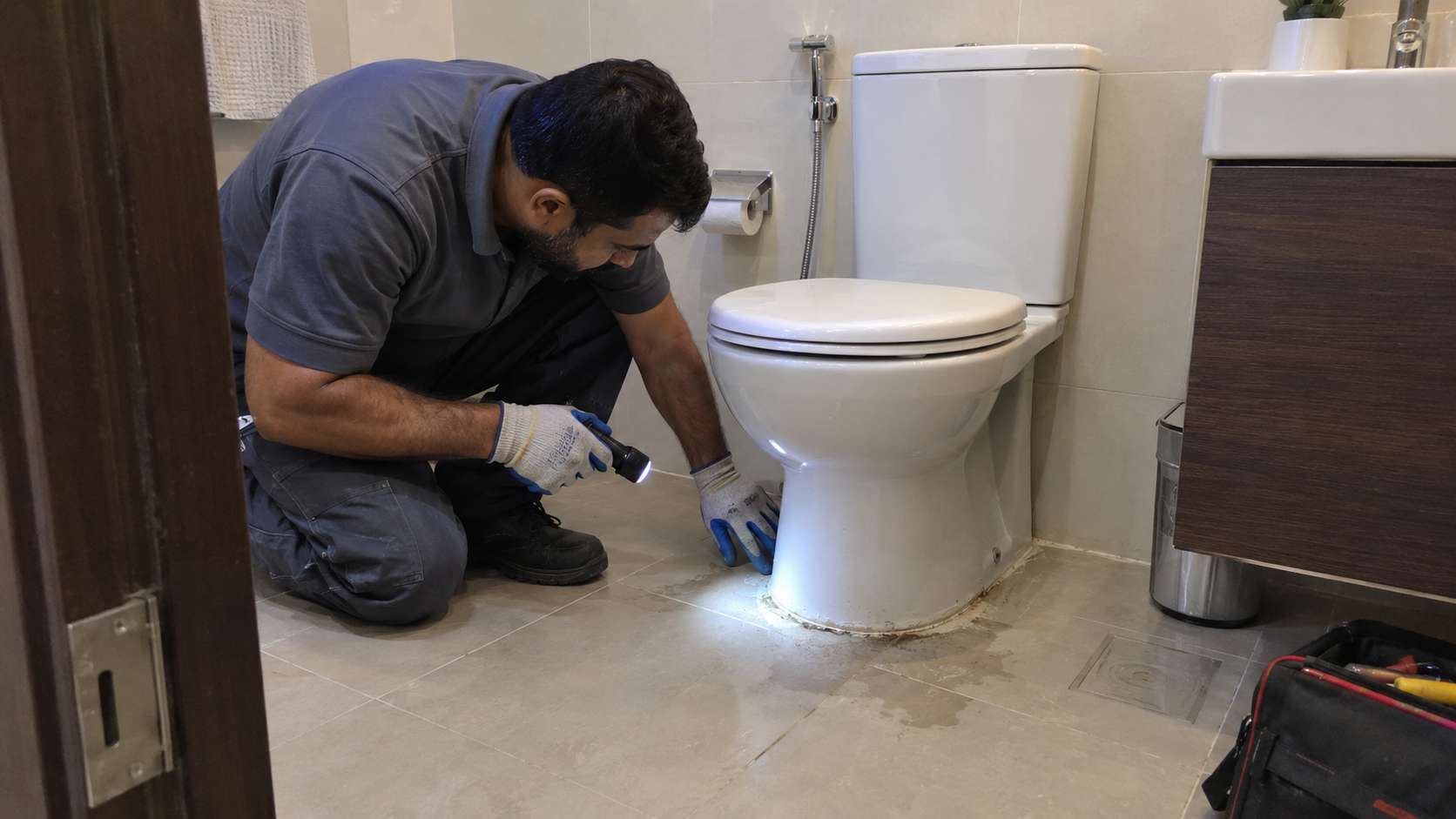
This issue should not be ignored because repeated moisture around the toilet base can damage flooring and create conditions suitable for mold growth.

Buildup Inside the Drainpipe
Over time, organic material can accumulate inside plumbing pipes.
Possible buildup includes:
- Waste residue
- Soap deposits
- Hair
- Mineral deposits
- Bacteria-rich sludge
This buildup can create unpleasant odors that come from the drain even when the toilet appears clean.
Drain cleaners may temporarily reduce smells, but they do not always solve deeper pipe problems.
Hidden Plumbing Leaks
A hidden leak is another possible reason your toilet drain smells like sewage.
Leaks can happen:
- Behind walls
- Under flooring
- Around pipe connections
- Near bathroom fixtures
A small leak can keep surrounding materials damp, creating:
- Persistent sewage odors
- Damp walls
- Staining
- Mold growth
In some cases, the smell is the first warning sign before visible water damage appears.
Sewer Line Problems
A more serious cause is an issue with the main sewer line.
Possible problems include:
- Cracks in sewer pipes
- Blockages
- Poor drainage
- Pipe damage from aging infrastructure
Warning signs include:
- Multiple drains smelling bad
- Frequent toilet backups
- Slow drainage throughout the home
- Gurgling sounds
- Sewage returning into fixtures
If multiple plumbing fixtures have sewage odors, the issue may be larger than one toilet.
Can a Sewage Smell From a Toilet Cause Mold Problems?
Yes, a sewage smell can sometimes be connected to moisture problems that contribute to mold growth.
The smell itself does not create mold, but the plumbing issue behind it may.
For example:
- A leaking toilet seal can keep flooring damp.
- A hidden pipe leak can wet walls.
- Poor bathroom ventilation can increase humidity.
These conditions create a suitable environment for mold.
If you notice both sewage smells and signs such as:
- Damp walls
- Water stains
- Peeling paint
- Musty odors
- Black or green spots
the problem may require both plumbing repair and moisture assessment.
What Should You Do When Your Toilet Drain Smells Like Sewage?
The right solution depends on the cause.
Start by checking:
- Whether the toilet is used regularly
- Whether there are visible leaks
- Whether the smell comes from the drain or toilet base
- Whether other drains smell the same
- Whether the bathroom has humidity problems
Avoid relying only on:
- Air fresheners
- Strong perfumes
- Temporary drain cleaners
These may hide the odor without fixing the source.
A proper solution usually involves:
- Identifying where sewer gases are escaping.
- Repairing the plumbing issue.
- Cleaning affected areas.
- Drying any moisture-damaged materials.
- Preventing future leaks or buildup.
When Should You Call a Professional Plumber?
Professional help is recommended when:
- The smell continues after basic checks
- The toilet leaks around the base
- Multiple drains smell like sewage
- You hear gurgling from pipes
- There are signs of hidden water damage
- Mold appears near the bathroom
A plumber can inspect:
- Drain lines
- Toilet seals
- Vent systems
- Sewer connections
- Hidden leaks
Finding the cause early can prevent expensive repairs later.
The Bottom Line
A toilet drain smells like sewage because sewer gases are escaping somewhere in your plumbing system. While the cause may be something simple like a dry trap, it can also indicate hidden issues such as damaged seals, blocked vents, leaks, or sewer line problems.
Do not just cover the smell with fragrances. The odor is usually a warning sign that something inside the plumbing system needs attention.
Finding and fixing the real source early can protect your bathroom from bigger problems, including water damage, persistent odors, and mold growth caused by hidden moisture.