


What Mycophobia Means When You Live in a Mold-Prone Home
Mycophobia means fear of fungi or mold, but inside a home, that fear can become complicated. If someone is afraid of mold but there is no mold, therapy may focus mainly on anxiety, intrusive thoughts, avoidance, reassurance-seeking, and fear management. But if the home actually smells musty or has visible dampness, then the fear has a real environmental trigger.
That is why telling someone with mycophobia to “stop worrying” can feel unfair. A person may be anxious, yes. But the home may also have:
- Mold on walls
- Moldy AC smell
- Damp kitchen cabinets
- Moldy wardrobes
- Water-damaged drywall
- AC drain leaks
- Mold after vacation
- Musty carpets
- Moldy insulation above ceilings
- Bathroom mold that keeps returning
The CDC says exposure to damp and moldy environments may cause health effects in some people and none in others. It also links indoor mold exposure with upper respiratory symptoms, cough, wheeze, asthma symptoms in people with asthma, and hypersensitivity pneumonitis in susceptible individuals.
So, mold fear should not be mocked. It should be separated into two parts: what is happening in the mind and what is happening in the building. Both deserve attention.
Why UAE Homes Can Easily Trigger Mold Fear
UAE homes can easily trigger mold fear because the climate and building habits create many moisture risks. The UAE is hot, and many homes rely heavily on air conditioning. That means cold indoor surfaces, AC ducts, vents, chilled water pipes, and indoor units often meet warm humid air. When that happens, condensation can form.
Condensation is one of the quietest mold triggers. You may not see a flood. You may not hear dripping. But moisture can collect around AC vents, above false ceilings, behind wardrobes, inside cabinets, or near windows. After a while, the room starts to smell musty.
Other UAE mold triggers include:
- Long AC operation
- Turning AC off during vacation
- Closed apartments with poor airflow
- High indoor humidity
- Blocked AC drain lines
- Water heater leaks
- Kitchen sink leaks
- Bathroom ventilation problems
- Roof or balcony seepage after rain
- Damp laundry dried indoors
- Built-in wardrobes on exterior walls
- Moldy insulation around AC ducts
The EPA says mold control depends on moisture control, and indoor humidity should be kept low, ideally between 30% and 50% and below 60% where possible. That is especially relevant in UAE homes because humidity control is not just comfort. It is mold prevention.
For someone with mycophobia, these risks can make the home feel unsafe even after ordinary cleaning. A spotless countertop does not calm the fear if the AC smells moldy or the bedroom wall feels damp.
Why a Psychiatrist Alone May Not Be Enough
A psychiatrist or therapist can help with the fear response, panic, obsessive checking, avoidance, sleep disruption, and the feeling that mold is everywhere. That support can be very important. Mycophobia can become exhausting if you keep inspecting walls, smelling rooms, washing clothes repeatedly, or avoiding certain areas of the home.
But a psychiatrist cannot repair an AC drain line. They cannot dry wet insulation. They cannot remove moldy drywall. They cannot test moisture behind a cabinet. They cannot prove that the musty smell is gone because the source has been fixed.
That is why mental health support alone may feel incomplete when there is actual mold risk in the home. If the trigger remains, the anxiety may keep coming back.
A better approach looks like this:
- A psychiatrist, psychologist, or therapist helps you manage the fear.
- A mold remediation company inspects and fixes the physical environment.
- An AC technician checks coils, drain pans, filters, ducts, and condensation.
- A plumber or waterproofing contractor fixes leaks or seepage.
- A clear post-remediation report gives you something factual to rely on.
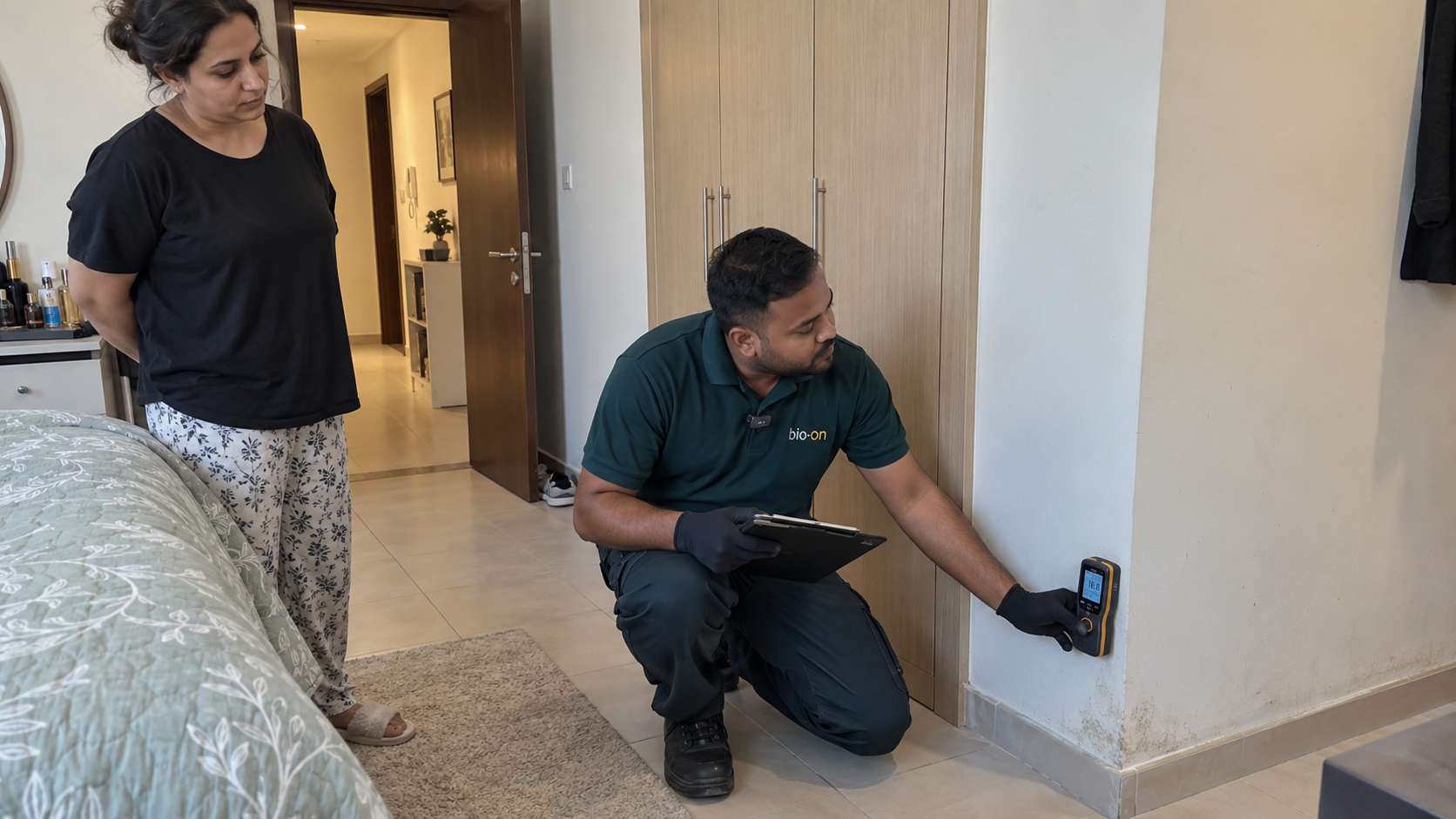
This matters because mycophobia can feed on uncertainty. “What if mold is hidden?” “What if it came back?” “What if the smell is still there?” Professional inspection and remediation help turn fear into facts.
Why Professional Mold Remediation Is a Must When Mold Is Real
Professional mold remediation is a must when mold is visible, recurring, hidden, or connected to water damage. Ordinary cleaning may remove surface stains, but it usually does not solve the deeper reason mold appeared.
The EPA says there is no practical way to eliminate all mold spores indoors, and the way to control indoor mold growth is to control moisture. That means the goal is not magical sterility. The goal is a dry home where mold cannot keep growing.
A professional mold remediation service can help with:
- Moisture inspection
- Leak source identification
- AC-related mold inspection
- Humidity checks
- Mold removal from affected surfaces
- Removal of moldy porous materials
- HEPA vacuuming
- Air filtration
- Containment during removal
- Drying and dehumidification
- Post-remediation verification
- Prevention advice
This is different from “deep cleaning.” A deep cleaner may wipe, spray, and deodorize. A remediation company should find the cause, remove the contamination, dry the structure, and prevent recurrence.
For people with mycophobia, this difference is huge. A perfume-cleaned room may still feel suspicious. A professionally inspected, dried, remediated, documented room gives the mind something stronger to trust.

What a Truly Mold-Safe Home Should Feel Like
A squeaky clean, no-visible-mold home is not about luxury only. It is about peace of mind, better indoor air, easier breathing, cleaner belongings, and a home you can relax in without constantly scanning the walls.
A mold-safe home should have:
- No musty smell
- No visible mold patches
- No recurring damp walls
- No AC mold odor
- No swollen cabinets
- No wet carpets
- No unexplained ceiling stains
- No leaking sink traps
- No blocked AC drains
- Controlled humidity
- Clean filters
- Dry bathrooms
- Ventilated wardrobes
- Inspectable plumbing areas
The CDC notes that dampness and mold are associated with respiratory and non-respiratory health problems in buildings, including respiratory symptoms, asthma development or worsening, hypersensitivity pneumonitis, allergic rhinitis, and eczema. So a mold-free home is not just visually nicer. It is also a more responsible indoor environment.
For someone with mycophobia, the goal should not be endless cleaning rituals. The goal should be a stable environment where the home does not keep triggering fear.
How to Remove the Trigger From the Home
If you have mycophobia and suspect mold in your UAE home, do not start by scrubbing everything in panic. That can spread particles, increase stress, and still fail to fix the cause.
Start with a structured plan.
1. Stop Guessing and Inspect the Home
Look for visible clues, but do not obsessively check every corner all day. Make one clear inspection list:
- AC vents
- Bathroom ceilings
- Shower corners
- Under sinks
- Behind wardrobes
- Around windows
- Inside kitchen cabinets
- Ceiling stains
- Carpet edges
- Laundry areas
- Storage rooms
- Water heater area
If you smell mustiness but cannot find the source, call a professional. Hidden mold is common behind walls, above ceilings, under carpets, and around AC systems.
2. Measure Humidity
Use a hygrometer. This gives you a number instead of a feeling. If humidity is regularly above 60%, your home is more mold-friendly. The EPA recommends reducing indoor humidity to 30–60% to decrease mold growth.
3. Fix Moisture Sources
Remediation will not last if moisture remains. Fix:
- Pipe leaks
- AC condensation
- Blocked drain lines
- Roof seepage
- Bathroom ventilation
- Window condensation
- Wet cabinets
- Damp flooring
- Poor ventilation
4. Remove Mold Properly
If mold is small and on a hard surface, careful cleaning may work. But if it is on drywall, MDF, carpet, insulation, AC components, or hidden areas, call professionals.
5. Ask for Documentation
For mycophobia, documentation can reduce uncertainty. Ask the remediation company for:
- Before-and-after photos
- Moisture readings
- Cause explanation
- Scope of work
- Products used
- Materials removed
- Drying confirmation
- Prevention advice
This gives your mind a factual reference instead of relying only on smell, fear, or repeated checking.
What Not to Do If You Have Mycophobia
Mycophobia can push people into extreme cleaning habits. Some of those habits can make the home less healthy or make the fear worse.
Avoid:
- Spraying bleach everywhere
- Mixing cleaning chemicals
- Smelling walls repeatedly
- Washing the same clothes again and again without proof of contamination
- Throwing away belongings without inspection
- Running air fresheners to mask odor
- Painting over mold
- Googling symptoms for hours
- Opening moldy walls yourself
- Re-entering contaminated areas without protection
- Ignoring medical or mental health support
- Ignoring real building moisture because “maybe it is just anxiety”
The healthiest path is calm and evidence-based: inspect, remediate, dry, verify, then maintain.
If fear remains after the home has been professionally cleared, mental health support becomes even more important. The home may be safer, but the nervous system may still need help learning that it is safe.
How to Keep a UAE Home Mold-Free After Remediation
After professional remediation, mold prevention becomes a daily system. You do not need to live like a lab technician. You just need the home to stay dry and easy to inspect.
Use these habits:
- Keep indoor humidity below 60%.
- Service AC regularly.
- Clean or replace AC filters.
- Check AC drain lines.
- Do not turn AC off completely during long vacations.
- Dry bathrooms after showers.
- Run exhaust fans.
- Fix leaks immediately.
- Keep wardrobes slightly ventilated.
- Do not overpack storage.
- Avoid drying laundry indoors without ventilation.
- Use water leak sensors under sinks and near water heaters.
- Move furniture slightly away from exterior walls.
- Investigate musty odor the same week, not months later.
A home that stays dry becomes easier to trust. For someone with mycophobia, this is not just maintenance. It is part of emotional recovery too.
The Bottom Line
People with mycophobia in the UAE often need more than a psychiatrist because the fear may be connected to a real home environment problem. Therapy or psychiatric care can help manage the fear, but if the home has mold, musty odor, AC condensation, leaks, or high humidity, the physical trigger must be removed too.
UAE homes can easily support mold growth when AC systems, humidity, closed rooms, damp bathrooms, leaking pipes, and poor ventilation are not managed properly. That is why professional mold remediation is not optional when mold is real, recurring, hidden, or affecting your peace of mind.
The best solution is two-sided: get mental health support for the phobia and hire qualified mold professionals to inspect, remove, dry, and protect the home. A squeaky clean, no-visible-mold, dry home is beautiful. More importantly, it helps your home feel like a safe place again.