


Why Does Mold Grow on a Couch?
Mold grows on a couch when three things come together: moisture, organic material, and time.
A sofa naturally contains materials that mold can use as a food source, including:
- Fabric fibers
- Dust particles
- Natural fibers inside upholstery
- Wood frames
- Foam padding
The main trigger is moisture. A couch does not need to be soaked to develop mold. Even repeated exposure to humidity or small amounts of trapped moisture can create suitable conditions.
Common causes of couch mold include:
High Indoor Humidity
In humid environments like the UAE, moisture from the air can accumulate inside furniture, especially in rooms with poor airflow.
This is more likely when:
- The couch is placed against a damp wall
- Rooms stay closed for long periods
- Air circulation is limited
- Indoor humidity remains high
Water Exposure
Mold may develop after:
- Spilled drinks
- Flooding
- Water leaks nearby
- Wet cleaning without proper drying
- AC leaks affecting furniture
The problem often starts when the couch remains damp inside, even if the outer fabric appears dry.
Poor Furniture Placement
A couch pushed tightly against a wall can trap moisture behind it.
Common hidden areas include:
- Back panels
- Bottom fabric
- Corners between cushions
- Areas touching the floor
These areas receive less airflow and can stay damp longer.
How Can You Identify Mold on a Couch?
Mold on a couch does not always look like obvious green or black patches. It can appear in different forms depending on the type of mold and the material.
Common signs include:
- Black, green, white, or gray spots
- Fuzzy patches on fabric
- Powdery residue
- Musty odors
- Discoloration that keeps returning
- Damp or unusual smells from cushions
A musty smell is an important warning sign. Sometimes mold is growing inside the foam or underneath the fabric where you cannot easily see it.
Pay attention if:
- The couch smells worse when you sit on it
- The odor increases in warm conditions
- Cushions feel damp or heavier than normal
- Mold appears repeatedly after cleaning
These signs may indicate hidden growth.
Can Mold on a Couch Affect Indoor Air Quality?
Yes, mold on a couch can contribute to indoor air quality concerns, especially if the sofa releases spores into the surrounding air.

Everyday activities can disturb mold growth, such as:
- Sitting down
- Moving cushions
- Vacuuming incorrectly
- Rearranging furniture
People who are sensitive to mold may experience stronger reactions, including:
- Sneezing
- Runny nose
- Coughing
- Eye irritation
- Skin irritation
- Worsening asthma symptoms
The risk depends on factors such as the amount of mold, exposure duration, and individual sensitivity. A small surface spot is different from a heavily contaminated sofa with deep mold growth.
When Can a Moldy Couch Be Saved?
A moldy couch may be worth restoring when the problem is limited and the internal materials remain in good condition.
Restoration may be possible when:
- Mold is only on the outer fabric
- The affected area is small
- The foam remains dry
- There is no strong persistent odor
- The couch structure is still healthy
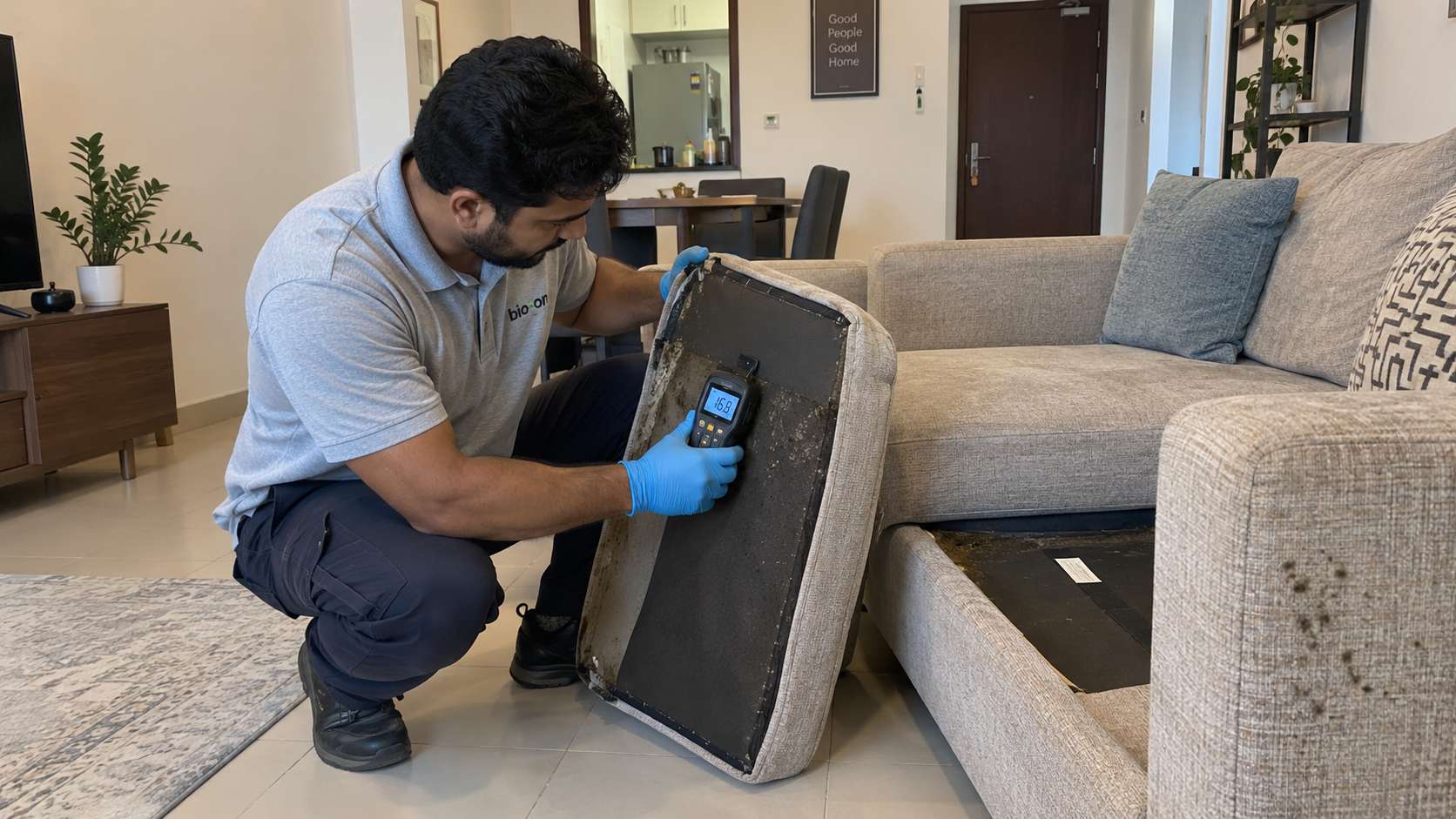
However, saving the couch becomes more difficult when mold reaches absorbent internal layers.
Be cautious if:
- Mold has spread across multiple cushions
- Foam padding smells musty
- The couch has been wet for a long time
- Mold returns after treatment
- The wooden frame has moisture damage
Foam is especially challenging because it contains many small spaces where moisture and spores can remain trapped.
Should You Throw Away a Moldy Couch?
Not every moldy couch needs immediate disposal, but some situations make replacement the safer choice.
Consider replacing the couch if:
- Mold has deeply penetrated the foam
- The sofa has extensive contamination
- The structure is damaged
- It has been exposed to flooding or sewage water
- Restoration costs approach the price of a replacement
A valuable, custom-made, or high-quality couch may justify professional restoration. A low-cost sofa with severe contamination may be easier and safer to replace.
The decision should consider both the sentimental and financial value of the furniture.
How to Prevent Mold From Returning on Your Couch
The best mold prevention strategy is controlling moisture.
Helpful habits include:
- Keep indoor humidity controlled
- Avoid placing couches directly against damp walls
- Allow airflow around large furniture
- Dry spills immediately
- Check for nearby leaks
- Clean dust regularly
- Avoid keeping wet cushions indoors
In the UAE, regular AC maintenance and humidity monitoring can also help because cooling systems strongly influence indoor moisture conditions.
The Bottom Line
Discovering mold on a couch does not always mean the furniture is ruined. The real question is how deep the mold has spread and whether moisture has affected the internal materials.
Surface mold on a dry, structurally sound couch may be manageable. However, mold inside foam, padding, or the wooden frame can become much harder to remove completely.
Before deciding whether to keep, restore, or replace your couch, inspect the severity of the damage and fix the moisture source first. Otherwise, mold may continue returning even after the visible growth is gone.