


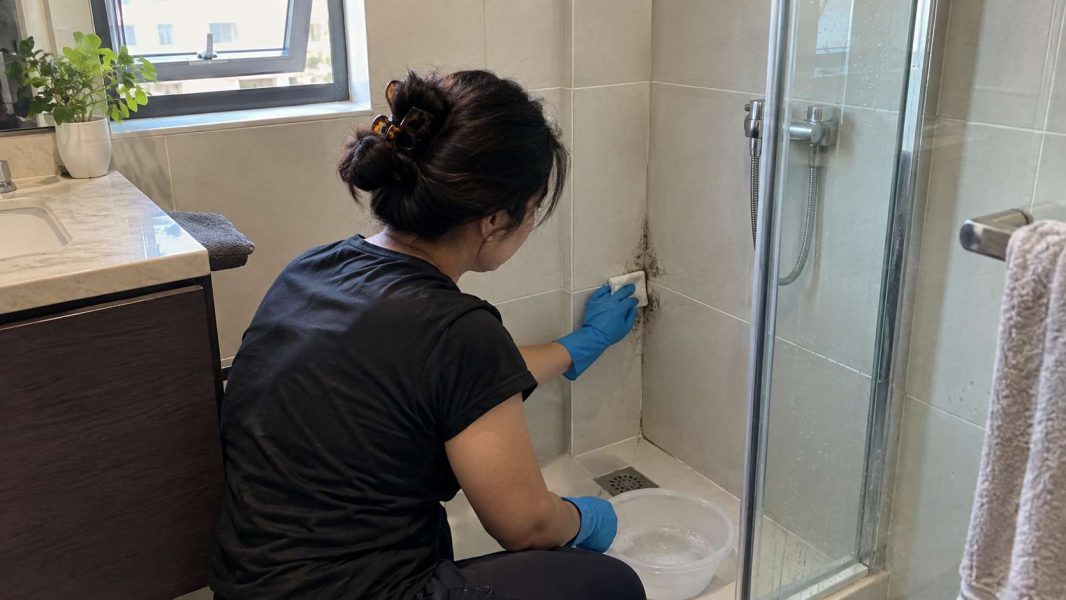
What Are Mold Control Ingredients?
Mold control ingredients are cleaning or treatment ingredients used to remove visible mold, reduce surface contamination, and make conditions less friendly for mold to grow again. They can include mild cleaners, acids, oxidizers, alkalines, disinfectants, and moisture-control products.
But there is one important limit: mold control is not the same as permanent mold removal.
A spray can clean the surface. It may kill or damage some mold growth on hard materials. It may reduce staining or odor. But it cannot fix a leaking pipe, a damp wall cavity, a wet AC system, or mold hidden inside porous materials.
Good mold control usually has three parts:
- Remove the moisture source
- Clean the visible mold safely
- Keep the area dry afterward
This is why some people spray the same bathroom corner every week and still see mold coming back. The spray is only fighting the symptom. The real cause might be poor ventilation, water seepage, condensation, wet grout, or a hidden leak.
For small mold spots on hard surfaces, DIY ingredients may be enough. For large areas, recurring mold, musty odors from walls, HVAC contamination, or mold on porous materials, the situation may need deeper inspection. EPA guidance notes that porous or absorbent materials such as ceiling tiles and carpet may need to be discarded if they become moldy.
Best Mold Control Ingredients for DIY Spray
The best mold control ingredient depends on the surface, the size of the mold patch, and whether you’re trying to clean, deodorize, or reduce regrowth. For most homes, start mild before jumping to harsh chemicals.
Dish Soap and Water
Dish soap and water is the safest first step for many small mold spots on hard surfaces. It doesn’t sound dramatic, but it helps loosen mold, grime, dust, and biofilm from the surface.
Mold often sticks to organic dirt. If you only spray a disinfectant without removing that dirty layer, the surface may still hold residue that supports regrowth later.
A simple mix:
- 2 cups warm water
- 1 teaspoon mild dish soap
Spray or apply with a cloth, scrub gently, wipe away residue, and dry the area completely. This is best for tiles, sealed counters, plastic, glass, and other washable non-porous surfaces.
White Vinegar
White vinegar is popular because it is affordable, easy to find, and less harsh than chlorine bleach. Use regular white vinegar by itself. Don’t mix it with bleach, hydrogen peroxide, or other cleaners.
A simple use method:
- Pour undiluted white vinegar into a spray bottle.
- Spray the moldy hard surface.
- Let it sit for a while.
- Scrub, wipe, and dry fully.
Vinegar is especially useful for bathroom corners, shower doors, light mildew smells, and small surface spots. It is not ideal for natural stone such as marble, limestone, or travertine because acidic cleaners can damage those surfaces.
3% Hydrogen Peroxide
Hydrogen peroxide is another useful mold-control ingredient, especially for hard surfaces and some washable bathroom areas. Use the common 3% household concentration and use it alone.
A simple use method:
- Pour 3% hydrogen peroxide into a dark spray bottle if possible.
- Spray the surface.
- Let it bubble and sit briefly.
- Scrub, wipe clean, and dry.
Hydrogen peroxide can have a mild bleaching effect, so test it first on colored grout, fabrics, painted surfaces, or delicate materials. Do not mix it with vinegar in the same bottle. That combination can form peracetic acid, which can irritate the skin, eyes, and lungs.
Baking Soda
Baking soda is best for gentle scrubbing and odor control. It is not the strongest mold killer, but it can help clean light surface growth without being too aggressive.
A simple spray mix:
- 2 cups water
- 1 teaspoon baking soda
Shake it well, spray the area, scrub, wipe, and dry. You can also make a paste with baking soda and a little water for grout lines or textured hard surfaces.
Baking soda is useful when the surface needs mild abrasion, not harsh chemical action. It’s also helpful after cleaning because it can reduce lingering odor.
Borax
Borax is sometimes used for mold cleaning because it is alkaline and can help clean and deodorize surfaces. It should still be handled carefully because it can irritate skin, eyes, and the respiratory system.
A common DIY mix is:
- 1 cup borax
- 1 gallon water
Apply it to hard surfaces, scrub, wipe excess residue, and dry the area. Wear gloves and avoid breathing dust when measuring borax powder. Keep it away from children and pets.
Borax may be helpful for basement walls, washable hard surfaces, and musty storage areas, but it is not a magic solution for mold inside drywall, carpets, or insulation.
What Ingredients Can You Mix for Mold Control Spray?
You can mix only simple, compatible ingredients. The safest DIY mold-control mixes are usually mild and boring, and that’s a good thing. Mold cleaning is not the place to experiment like a chemistry video.
Here are safer combinations:
| DIY Spray | Ingredients | Best For |
|---|---|---|
| Mild cleaning spray | Warm water + dish soap | First-pass cleaning on hard surfaces |
| Baking soda spray | Water + baking soda | Light mold spots and odor |
| Borax solution | Water + borax | Hard, washable surfaces |
| Vinegar spray | White vinegar only | Small bathroom mold spots |
| Hydrogen peroxide spray | 3% hydrogen peroxide only | Hard surfaces and light staining |
Notice the pattern: the stronger ingredients are used alone.
That’s because mixing cleaners can create dangerous reactions. Even if the mixture doesn’t create toxic gas, it may become less effective. For example, mixing vinegar and baking soda creates fizz, but the reaction mostly neutralizes the acid and base. It may look powerful, but it often cleans less effectively than using each ingredient separately.
For example:
- Clean the surface first with dish soap and water.
- Rinse or wipe away residue.
- Dry the area.
- Apply vinegar or hydrogen peroxide separately.
- Scrub again if needed.
- Dry completely.
This approach is safer and usually more effective than combining multiple ingredients in one bottle.
Ingredients You Should Never Mix for Mold
Some mold-control ingredients should never go in the same spray bottle. This matters more than people think, because many DIY recipes online casually combine cleaners that should stay separate.
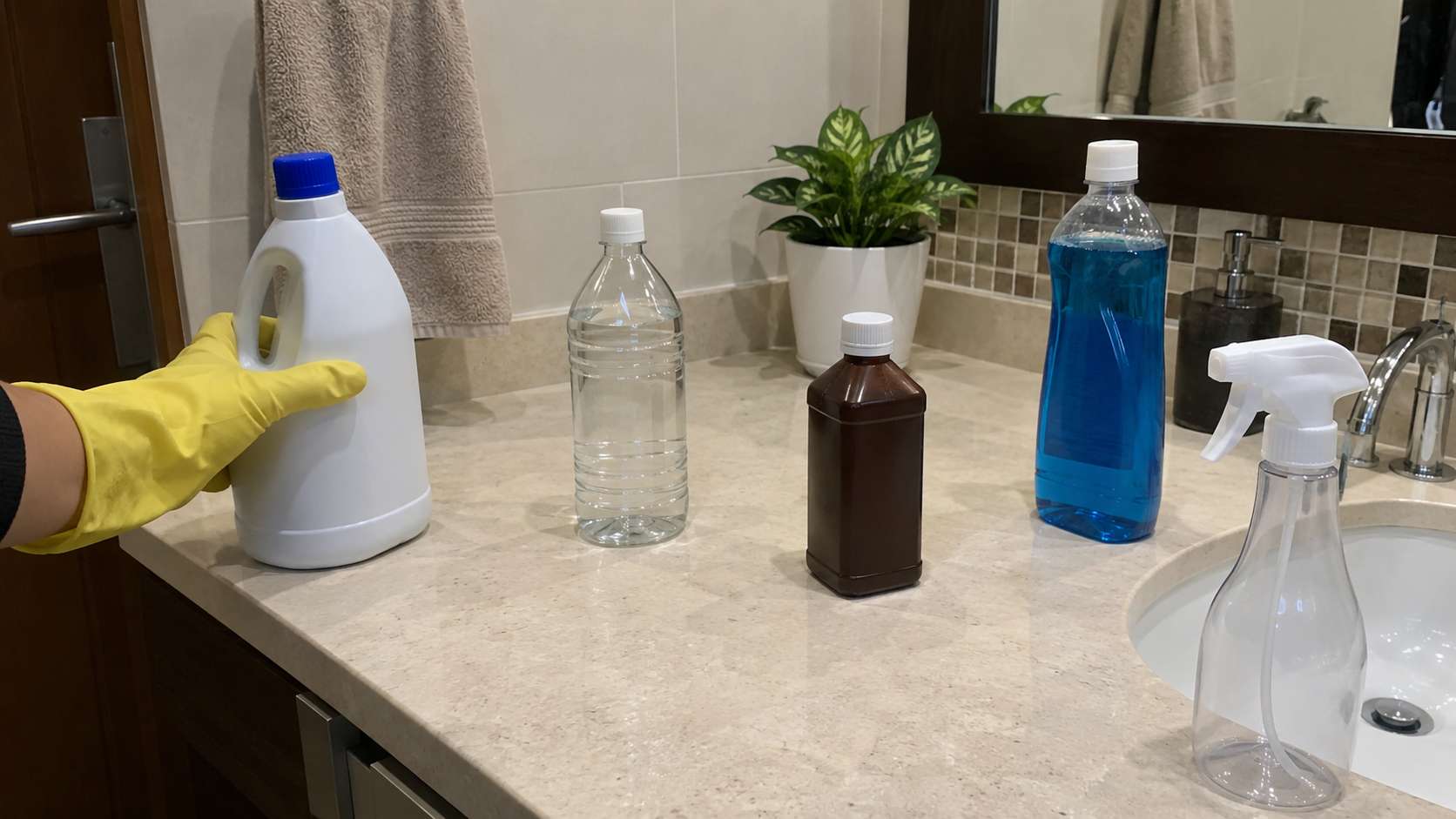
Never Mix Bleach and Vinegar
Bleach and vinegar can release chlorine gas. That can irritate your eyes, throat, and lungs, and it can become dangerous quickly in a small bathroom or poorly ventilated room.
Use one or the other, never both together.
Never Mix Bleach and Ammonia
Bleach and ammonia can produce toxic vapors. CDC specifically warns not to mix bleach with ammonia because it can create toxic vapors.
Ammonia may be found in some glass cleaners, bathroom cleaners, and multi-surface cleaners. Always check labels before using bleach anywhere near another product.
Never Mix Bleach with Other Cleaners
This is the simplest rule: bleach should not be mixed with any other cleaner. CDC says household bleach or disinfectants should never be mixed with other cleaners or disinfectants.
That includes dish soap unless the product label specifically says it is safe with bleach. Many dish soaps contain ingredients that are not meant to be mixed with bleach.
Never Mix Hydrogen Peroxide and Vinegar
Hydrogen peroxide and vinegar should not be mixed in one bottle. Used one after another with wiping and drying in between, they may be part of a cleaning routine. But mixed together, they can form a harsher acid that may irritate your skin, eyes, and breathing.
Don’t Mix Random Essential Oils into Strong Cleaners
Tea tree oil, clove oil, eucalyptus oil, and other essential oils are often marketed as natural mold fighters. Some may have antimicrobial properties in certain contexts, but they should not be treated as reliable mold remediation ingredients.
They can also irritate people with asthma, allergies, pets, or fragrance sensitivity. If you use them, use them only as a minor deodorizing add-on in mild cleaning, not as the main mold-control strategy.
Is Bleach a Good Mold Control Ingredient?
Bleach can disinfect some hard, non-porous surfaces, but it is not the best routine mold-control ingredient for every situation. EPA says using a biocide such as chlorine bleach is not recommended as a routine practice during mold cleanup.
That surprises many people because bleach is famous for making mold stains disappear. But stain removal is not always the same as mold problem removal.
Bleach may be useful on:
- Non-porous bathroom tiles
- Some sealed surfaces
- Toilet areas
- Certain hard surfaces after cleaning
Bleach is less useful for:
- Drywall
- Wood
- Carpet
- Ceiling tiles
- Upholstery
- Porous grout with deeper contamination
- Hidden mold behind walls
On porous materials, bleach may lighten the surface stain while moisture and mold roots remain deeper inside. It may also damage finishes, discolor materials, and create strong fumes.
If you choose to use bleach, follow the label, ventilate the area, wear gloves, and never mix it with other products. CDC gives guidance for bleach solutions, but also emphasizes cleaning visibly dirty surfaces first with soap or detergent before disinfecting.
Best Mold Control Ingredients by Surface
The right ingredient depends heavily on the material. Using the wrong one can damage the surface or give you a false sense of safety.
Bathroom Tile and Glass
Good options:
- Dish soap and water
- Vinegar used alone
- Hydrogen peroxide used alone
- Baking soda paste for grout scrubbing
Bathroom tile and glass are usually the easiest surfaces to clean because they are hard and non-porous. The bigger issue is preventing regrowth. Keep the area dry, improve ventilation, and remove soap scum because mold can feed on the residue.
Grout and Silicone
Good options:
- Baking soda paste
- Hydrogen peroxide used alone
- Careful use of commercial mold remover
Grout is trickier because it can be porous. Silicone caulk is even harder when mold grows underneath or inside it. If black staining is embedded under silicone, cleaning the surface may not work. The caulk may need to be removed and replaced after the moisture issue is fixed.
Painted Walls
Good options:
- Mild dish soap and water
- Careful spot cleaning
- Professional inspection if the area keeps returning
Avoid soaking the wall. If paint bubbles, softens, flakes, or smells musty, the issue may be behind the paint. Spraying more cleaner on top won’t fix hidden dampness.
Wood
Good options:
- Mild detergent solution
- Careful drying
- HEPA vacuuming by trained professionals for larger contamination
- Specialized treatment when needed
Wood can absorb moisture, so aggressive spraying can make the problem worse. Avoid over-wetting it. If the wood is structural, heavily stained, soft, or musty, it may need professional evaluation.
Carpet, Upholstery, and Ceiling Tiles
These are high-risk materials for mold because they are porous and absorbent. EPA notes that porous materials like ceiling tiles and carpet may have to be thrown away if they become moldy.
Spraying vinegar, peroxide, or bleach on moldy carpet is usually not enough. It can leave moisture behind, spread spores, or trap contamination deeper in the material.
What Makes a Mold Control Spray Actually Work?
A mold control spray works better when it is part of a complete cleaning process. The ingredient matters, but the method matters just as much.
Use this order:
- Protect yourself first
Wear gloves, avoid breathing spray mist, and open windows if possible. Use a mask or respirator for heavier cleanup. - Fix the moisture source
Repair leaks, improve airflow, reduce humidity, and dry wet materials. Without this, mold returns. - Clean dirt before disinfecting
Mold grows better on dust, soap scum, skin oils, food residue, and damp organic material. Remove the grime first. - Use one active ingredient at a time
Don’t mix strong cleaners. Choose vinegar, peroxide, bleach, or another product separately. - Scrub, don’t just spray
Spraying alone may only wet the mold. Physical removal matters. - Dry the surface completely
This is where many DIY attempts fail. A clean but damp surface can still invite regrowth. - Watch for return signs
If the same area returns quickly, the problem is likely moisture, ventilation, hidden contamination, or porous material damage.
When DIY Mold Control Ingredients Are Not Enough
DIY mold-control sprays are best for small, visible mold spots on hard surfaces. They are not enough when the mold problem is larger, recurring, hidden, or connected to building moisture.
You may need professional help when:
- Mold covers a large area
- Mold returns within days or weeks
- There is a strong musty smell but little visible mold
- The mold is inside walls, ceilings, cabinets, or HVAC systems
- Materials are soft, swollen, crumbling, or water-damaged
- Someone in the home has asthma, mold allergy, or respiratory sensitivity
- The mold came after flooding or sewage contamination
EPA’s mold cleanup guidance says if mold growth covers more than 10 square feet, you should consult its mold remediation guidance for larger building situations.

In those cases, the main issue is not choosing between vinegar and peroxide. The real issue is containment, moisture mapping, safe removal, drying, filtration, and preventing spores from spreading into clean areas.
So, Be Very Careful
The best mold control ingredients are the ones that match the surface and don’t create extra risk. For small mold spots on hard surfaces, start with dish soap and water, then use white vinegar, 3% hydrogen peroxide, baking soda, or borax depending on the surface and severity.
But don’t mix strong cleaners. Use vinegar alone. Use hydrogen peroxide alone. Use bleach only when appropriate, only on suitable hard surfaces, and never with other cleaners.
Most importantly, remember that mold control is moisture control. A spray can clean the visible problem, but dryness is what keeps mold from coming back.