


Mold Blood Test Basics: What It Can and Cannot Tell You
A mold blood test usually checks whether your immune system has produced IgE antibodies against specific mold allergens. In plain language, it can show whether your body is sensitized to certain molds. That can support a diagnosis of mold allergy when it matches your symptoms, exposure history, and physical exam. Mayo Clinic describes allergy blood testing as a way to measure immune response by checking immunoglobulin E antibodies in the bloodstream.
This is not the same as proving that mold is “inside your blood.” Mold allergy blood testing does not mean mold is growing in your bloodstream. It also does not automatically prove that every symptom you feel is caused by mold. A positive result may show sensitization, but your doctor still has to connect that result to your real symptoms and exposure pattern.
That is why a mold blood test is most useful when there is a clear clinical question, such as:
- Do you have a mold allergy?
- Could mold be triggering asthma or allergic rhinitis?
- Are your symptoms worse in a damp room, office, school, or home?
- Is skin testing unsafe or impractical for you?
- Do you need a clearer allergy profile before treatment planning?
Medical organizations often emphasize that allergy test results need context. ACAAI says allergy tests confirm what your health history tells the allergist, and if test results are unclear or inconsistent with the patient’s history, allergists rely on history, physical examination, and clinical experience to make the diagnosis.
So the best way to think about a mold blood test is this: it is one useful clue, not the whole case.
Why People Get a Mold Blood Test
People usually consider a mold blood test when they have symptoms that keep returning and they suspect a damp or moldy environment may be involved. This is especially common when symptoms improve away from a building and return when they come back.
Common reasons include persistent nasal congestion, sneezing, itchy eyes, coughing, wheezing, chest tightness, sinus pressure, skin irritation, fatigue that seems linked to a building, or asthma that becomes harder to control in a certain indoor space. CDC notes that people sensitive to molds can experience symptoms such as stuffy nose, wheezing, red or itchy eyes, or skin irritation, and that mold exposure has been linked with upper respiratory symptoms and asthma symptoms in people with asthma.
A blood test may be chosen instead of a skin prick test in certain situations. AAAAI explains that IgE blood tests are generally used when skin testing might be unsafe or may not work, such as when someone is taking certain medications or has a skin condition that interferes with skin testing.
A physician or allergist may also order mold-related testing when they want to rule in or rule out allergic sensitization as part of a broader evaluation. This is important because mold-related symptoms can overlap with many other conditions, including dust mite allergy, pollen allergy, pet allergy, viral infections, chronic sinusitis, asthma, irritant exposure, chemical sensitivity, and workplace indoor air quality issues.
You may also seek testing after discovering visible mold at home, finding a long-term leak, smelling a musty odor, or moving into a building with moisture damage. In that case, the test can help answer the medical side of the problem. But it does not replace the environmental side. If a room is damp and moldy, the building still needs to be inspected and corrected.
Types of Mold-Related Blood Tests You May Hear About
The phrase “mold blood test” can mean different things depending on who says it. This is where many patients get confused.
The most established type is a mold-specific IgE blood test. This looks for allergy-type antibodies to molds such as Alternaria, Aspergillus, Cladosporium, or Penicillium, depending on the test panel. It is used as part of allergy evaluation, especially when mold allergy is suspected.
You may also hear about total IgE. This measures the overall amount of IgE in the blood, but it does not identify mold specifically. It may support the bigger allergy picture, but it is not enough by itself to diagnose mold allergy.
Some doctors may order additional tests when symptoms suggest asthma, infection, inflammation, immune problems, or another medical condition. These are not always “mold tests,” but they may help the physician understand the whole picture.
Then there are more controversial tests, including some mycotoxin tests promoted for “mold toxicity.” Many of these are urine tests, but some clinics discuss blood or other body-fluid testing. CDC has warned about unvalidated urine mycotoxin tests being used to diagnose illness from mold exposure, and notes that FDA clearance or approval gives assurance that a test has analytical and clinical validation.
This does not mean your symptoms are fake. It means the test may not prove what the marketing says it proves. A test can produce a result without being clinically reliable for diagnosing the cause of your illness.

The practical takeaway: ask your physician what exact test is being ordered, what question it answers, and how the result will change the next step.
How to Prepare Before a Mold Blood Test
Preparation for a mold blood test is usually simple. Because it is a blood draw, you normally do not need the same preparation as a scan, surgery, or fasting lab unless your doctor orders other tests at the same time.
Before the appointment, write down your symptoms clearly. Include when they started, where they get worse, what rooms or buildings are involved, whether you smell mustiness, whether there was a leak or flood, and whether symptoms improve when you leave the environment.
A useful symptom note may include:
- Main symptoms and how often they happen
- Rooms or buildings that trigger symptoms
- Visible mold, water stains, leaks, condensation, or musty odors
- Asthma, allergies, sinus issues, eczema, or immune problems
- Current medications and supplements
- Any previous allergy test results
- Photos of visible mold or water damage
- Whether other people in the same building have symptoms
Tell your doctor about medications you take. For skin allergy testing, some medications can interfere with results, but blood testing is sometimes used when skin testing is difficult because of medications or skin conditions. AAAAI notes that blood tests may be used when skin testing might not work or might be unsafe.
Also be clear about your goal. Are you trying to confirm allergy? Understand asthma triggers? Evaluate unexplained symptoms? Document workplace exposure concerns? Decide whether your home needs remediation? These are different questions, and they may require different medical or environmental steps.
Do not start detox products, binders, antifungals, or heavy supplement routines before the test unless your physician tells you to. Starting new products before testing can make the clinical picture more confusing and may create side effects or interactions.
What Happens During the Mold Blood Test Procedure
During a mold blood test, a healthcare professional draws a small amount of blood, usually from a vein in your arm. The process is similar to other routine lab tests. It usually takes only a few minutes.
You may be asked to sit down, confirm your name and details, and expose your arm. The phlebotomist or nurse cleans the area, places a band around your upper arm, inserts a needle into a vein, collects the blood into one or more tubes, removes the needle, and covers the puncture site with gauze or a small bandage.
You may feel a brief pinch or pressure. Some people feel lightheaded during blood draws, especially if they are nervous, dehydrated, or have a history of fainting. Tell the staff before the draw if this happens to you. They can let you lie down or take extra precautions.
After the blood is collected, the sample is sent to a laboratory. Results may come back in a few days, depending on the lab, the test type, and the clinic. Your result may list specific molds and antibody levels, often with reference ranges or class levels.
Try not to interpret the numbers alone. A “positive” result does not automatically mean mold is the only cause of your symptoms. A “negative” result also does not always explain everything, especially if your symptoms are not allergy-driven or if the wrong allergens were tested.
That is why follow-up matters more than the lab printout itself.
What to Do After You Get the Results
After the procedure, you can usually return to normal activities immediately unless your healthcare provider gives different instructions. Keep the small bandage on for a short time, avoid rubbing the area, and contact the clinic if you have unusual swelling, bleeding, or pain.
The more important step is the follow-up appointment. Ask your physician or allergist to walk through the results with you. The discussion should connect the lab findings to your symptoms, exposure history, physical exam, and any other relevant tests.
Questions worth asking include:
- Does this result suggest mold allergy or sensitization?
- Does it match my symptoms?
- Which molds were tested?
- Could something else explain my symptoms?
- Do I need asthma testing, sinus evaluation, or other follow-up?
- Should I avoid certain environments while the issue is investigated?
- What treatment is appropriate for my situation?
- Should I document environmental conditions at home or work?
Treatment may include allergen avoidance, nasal sprays, antihistamines, asthma medication, sinus care, or allergy immunotherapy in selected cases. The right plan depends on your diagnosis.
If your doctor discusses toxin binders, do not self-prescribe them. Binders can affect digestion, medication absorption, and nutrient absorption, and the evidence and indications depend on the specific situation. They should be prescribed and monitored by a physician who can explain why they are being used, what result they are targeting, how long to take them, and what side effects to watch for.
Be especially cautious if someone recommends binders, antifungals, or expensive detox protocols based only on a non-standard mycotoxin result. CDC has warned that unvalidated mycotoxin testing has been used to support questionable diagnoses and treatments, including antifungal medication prescribed after a “mold toxicity” diagnosis.
Medical Next Steps: Treat the Person, Not Just the Lab Result
A mold blood test is only one piece of the medical puzzle. The best next step is to treat the actual condition your physician identifies.
If the result supports mold allergy, your care may focus on reducing exposure and controlling allergic inflammation. If asthma is involved, the priority may be lung function testing and an asthma action plan. If symptoms suggest chronic sinus disease, you may need ENT evaluation. If you are immunocompromised or have severe symptoms, the medical pathway may be different and more urgent.
CDC describes invasive mold infections as serious conditions that can affect deep tissues or organs, especially in people with weakened immune systems, and notes that blood tests such as Aspergillus galactomannan are primarily used in patients with weakened immune systems.
That is a different situation from routine mold allergy testing. Most people worried about indoor mold are not being tested for invasive fungal infection. But if you have cancer treatment, organ transplant, high-dose steroids, severe immune suppression, coughing blood, persistent fever, unexplained lung findings, or rapidly worsening symptoms, you should seek medical care promptly.
For most household mold concerns, the medical plan should be practical and evidence-based:
- Confirm whether allergy, asthma, sinus disease, infection, or another issue is present.
- Use test results as supporting evidence, not as the only basis for diagnosis.
- Treat symptoms with appropriate medication when needed.
- Avoid unnecessary antifungals or detox products unless medically justified.
- Reassess if symptoms continue after exposure reduction and treatment.
A good physician helps you avoid two mistakes: ignoring a real mold-related health issue, and blaming every symptom on mold without enough evidence.
Environmental Next Steps: Remove the Mold Source
Medical care can help your body, but it does not fix the building. If the mold source remains, symptoms may continue or return, especially for people with mold allergy or asthma.
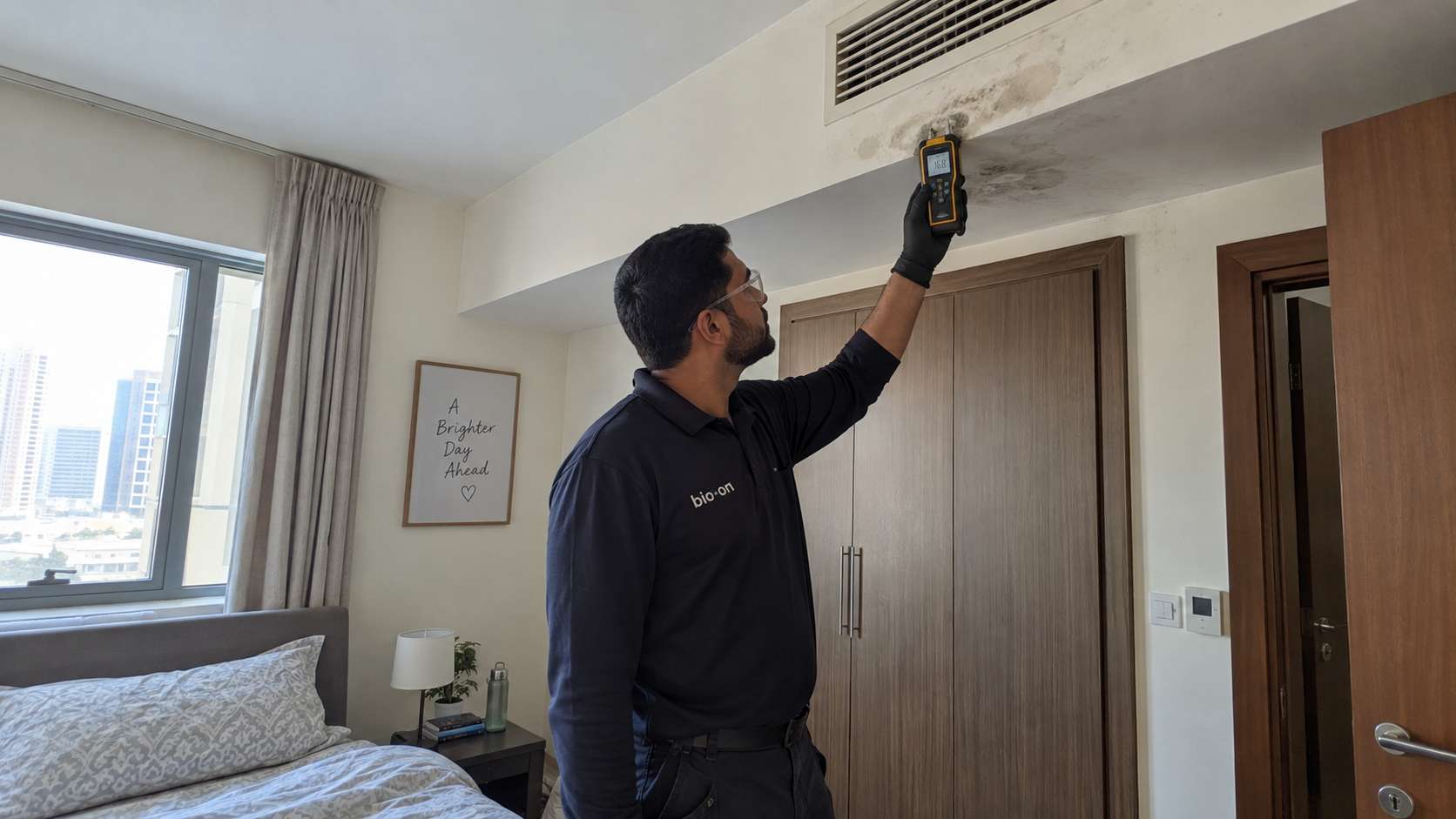
EPA states that the key to mold control is moisture control. It also says the water or moisture problem must be completely fixed before cleanup or remediation can be considered finished.
Start by checking the environment that seems connected to symptoms. Look for roof leaks, plumbing leaks, AC condensation, wet drywall, swollen cabinets, damp carpet, musty odors, window condensation, poor ventilation, or previous flooding. Mold often grows behind walls, under flooring, inside cabinets, around HVAC components, or in materials that stayed wet too long.
For small surface mold on hard materials, basic cleaning may be enough when the moisture source is fixed. EPA says mold can be scrubbed from hard surfaces with detergent and water, then dried completely.
But larger or hidden mold problems are different. If mold covers a wide area, keeps returning, involves HVAC, affects porous materials, follows water damage, or is causing ongoing health concerns, it is safer to involve mold remediation experts. EPA advises that if you hire a contractor for mold cleanup, make sure the contractor has experience cleaning up mold and follows professional or government guidance.
A qualified remediation team can help with:
- Moisture source identification
- Containment to reduce spread
- Safe removal of contaminated porous materials
- HEPA vacuuming and air filtration
- Cleaning of salvageable hard surfaces
- Drying and dehumidification
- Post-cleanup recommendations
- Documentation before and after remediation
This matters because mold cleanup is not only about killing mold. Dead mold fragments can still be irritating or allergenic for some people. The goal is to remove contamination, fix moisture, dry the structure, and prevent regrowth.
When to Get Both Medical and Mold Remediation Help
You should consider both medical follow-up and environmental remediation when symptoms and building evidence point in the same direction. For example, if you have asthma flare-ups in a damp bedroom and there is visible mold behind the wardrobe, testing alone is not enough. Medication alone may not be enough either. The room has to be fixed.
A combined approach is especially important when:
- Symptoms improve away from the building and return inside it.
- There is visible mold larger than a small isolated patch.
- A musty smell keeps coming back.
- Water damage was never properly dried.
- Mold is near HVAC intake, vents, or ducts.
- Children, elderly people, pregnant people, or immunocompromised people are exposed.
- Someone has asthma, severe allergies, or repeated respiratory symptoms.
- DIY cleaning fails or mold returns.
Your physician helps with diagnosis and treatment. Mold remediation experts help remove the environmental source. These two roles should not replace each other. A remediation contractor should not diagnose your illness, and a physician should not be expected to inspect hidden wall cavities like a building professional.
If possible, keep records from both sides. Save lab results, symptom notes, photos of water damage, inspection findings, remediation scope, drying records, and post-remediation documentation. This helps you and your care team understand whether symptoms improve after the environment is corrected.
The Bottom Line
A mold blood test can be helpful when it is used for the right reason. In standard medical care, it usually checks for mold-specific IgE antibodies to support the diagnosis of mold allergy. It can help explain allergy or asthma-like symptoms when the result matches your history, symptoms, and exposure pattern.
But a mold blood test does not automatically prove “mold toxicity,” does not mean mold is growing in your blood, and should not be used alone to justify aggressive treatment. Your physician should interpret the results, decide whether more evaluation is needed, and prescribe any medication or toxin binders only when appropriate and properly monitored.
At the same time, don’t stop at the medical side. If your home, office, or building has moisture damage or visible mold, the source needs to be fixed. The most effective next step is often two-sided: get proper medical follow-up for your body, and get qualified mold remediation help for the building. That is how you move from guessing toward a cleaner environment and a clearer health plan.