


Fact 1: Mold Color Cannot Tell You How Dangerous It Is
So, is black mold dangerous? This very post came from that question, a question that many have been asking on Threads, X, and Reddit. But let me tell you, the answer is it’s not always dangerous.
Mold species can appear in many colors, including black, dark green, brown, gray, white, and orange. Lighting, age, surface material, moisture, and the stage of growth can also change how a colony looks.
The CDC’s National Institute for Occupational Safety and Health states directly that mold color does not necessarily indicate whether it is more or less dangerous. This means a pale patch should not be ignored, while a black patch should not automatically be labelled “toxic.”
You also cannot reliably identify mold from a photograph. Several species may look similar, and more than one type can grow in the same water-damaged area.
Fact 2: “Black Mold” Does Not Always Mean Stachybotrys Chartarum
When people say “toxic black mold,” they are often referring to Stachybotrys chartarum. It is a greenish-black mold that can grow on cellulose-rich materials such as paper, fibreboard, and gypsum board when they remain consistently wet.
However, not every black patch is Stachybotrys. Other molds may also appear black or dark green. Dirt, soot, damaged sealant, mineral deposits, and bacterial growth can sometimes be mistaken for mold as well.
Even when Stachybotrys is present, what you should do about it is generally the same: you remove the contaminated material appropriately and eliminate the moisture source. The CDC states that all indoor molds should be treated similarly regarding potential risk and removal. Dr. Janine Bowring, ND, explains every type of mold very well.
Fact 3: Some Molds Can Produce Mycotoxins, but the Issue Is Often Misunderstood
Certain molds are described as toxigenic because they can produce substances called mycotoxins under particular conditions. That does not mean every colony is producing the same substances at the same level, or that merely seeing black mold proves someone has experienced mycotoxin poisoning.
NIOSH explains that molds capable of producing mycotoxins should still be handled like other molds growing inside a building. The important finding is the indoor growth and the water problem supporting it. Fortunately, it’s not a frightening label based on color.
The CDC also states that there is currently no test that proves an association between Stachybotrys chartarum and a person’s particular health symptoms. Mold-related symptoms can be nonspecific, meaning they may also have other causes.
Fact 4: People Can React Very Differently to the Same Exposure
One occupant may develop sneezing and irritated eyes, while another person living in the same home may have no obvious reaction. Someone with asthma may experience coughing, wheezing, chest tightness, or shortness of breath when exposed to a damp or moldy environment.
Sensitivity can also change over time. A person who previously tolerated an environment may later develop symptoms, particularly after repeated exposure or sensitisation.

This variation is why the absence of symptoms does not prove that indoor mold can be left in place. Mold can continue damaging drywall, wood, insulation, furnishings, and other materials even when no occupant feels unwell.
Likewise, experiencing headaches, fatigue, coughing, or nasal symptoms in a moldy home does not prove that mold is the only cause. Persistent or concerning symptoms require an assessment by a qualified healthcare professional rather than a diagnosis based only on the appearance of a wall.
Fact 5: A Mold Air Test May Not Answer the Question You Care About
Many people assume they need an air test to learn whether black mold is dangerous. In reality, testing often cannot tell you whether a measured spore count will cause health problems for a particular person.
NIOSH notes that there are no health-based indoor standards for mold or other biological agents. Short-term samples may not represent actual exposure, and spore counts cannot be directly interpreted as a measure of health risk. NIOSH generally considers careful visual inspection and detection of musty odors to be more reliable for identifying dampness and mold problems.
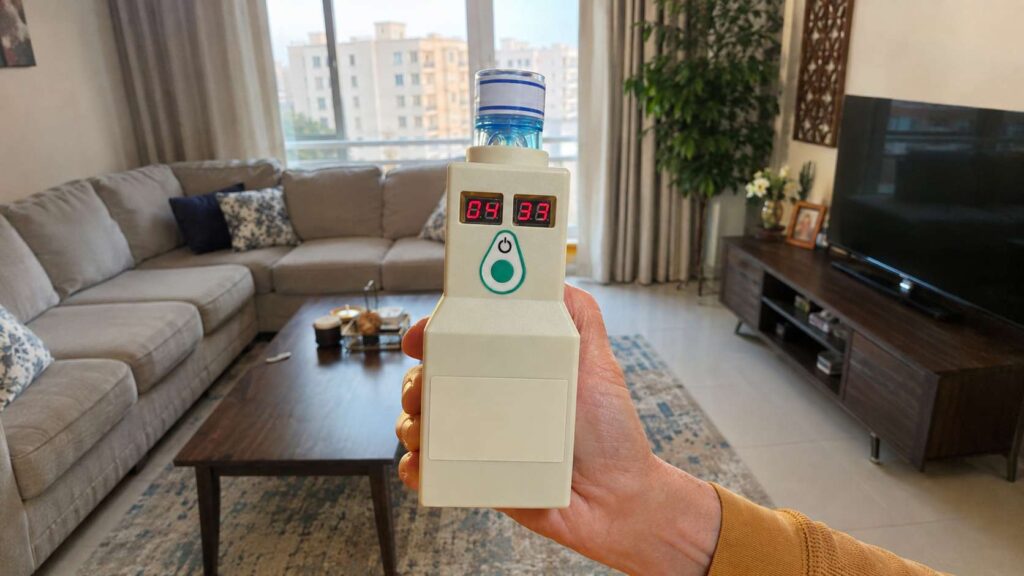
Testing may be useful in certain complex investigations, but you typically do not need laboratory confirmation before addressing clearly visible growth. Visible mold, musty odors, water stains, peeling materials, condensation, or repeated dampness already provide reasons to investigate and correct the building problem.
Fact 6: Many Groups of People Are Most Vulnerable to Mold Exposure
People with asthma, mold allergies, chronic lung conditions, or weakened immune systems may face greater risks from mold exposure. Infants, children, older adults, and people recovering from serious illness may also deserve extra protection, depending on their health.
Groups that should be especially cautious include:
- People with asthma
- People with diagnosed mold allergies
- People with chronic obstructive pulmonary disease
- People with other existing respiratory conditions
- People receiving cancer treatment
- Organ or stem-cell transplant recipients
- People taking immune-suppressing medication
- Anyone who has previously reacted strongly to damp or moldy environments
<Photo of people with asthma in a hospital>
Mold can worsen existing asthma, and people who have already become sensitised may react to relatively small exposures. People with weakened immune systems can also be more susceptible to serious fungal illness, although this is different from the common irritation or allergy symptoms experienced by otherwise healthy occupants.
Fact 7: Fixing the Moisture Source Should Be Your Priority
When you find black mold, focus first on the moisture source. Mold growing indoors means water, condensation, or excessive humidity is reaching a material that can support growth.
Check for:
- Plumbing or roof leaks
- Water entering around windows
- Condensation on walls, pipes, or AC vents
- Poor bathroom or kitchen ventilation
- Blocked AC drainage
- Damp drywall, insulation, carpets, or cabinets
The mold must be removed, but cleaning alone will not provide a lasting solution if the material continues getting wet. The EPA describes moisture control as the key to mold control.
Small amounts on accessible, hard surfaces may sometimes be manageable with suitable protection and careful cleaning. Larger areas, recurring growth, hidden contamination, damaged porous materials, sewage exposure, or mold inside walls and HVAC components may require professional assessment and remediation. Give these people a call, and you’ll get help within 1 hour (if you live in the UAE).
In fact, most sources of mold issues are simply most normal people cannot see. Again, I cannot stress this enough, but hiring a professional mold remediation service is always recommended.
Now You Know Black Mold Can Be Dangerous, but Don’t Panic
Black mold can be dangerous, particularly for people with asthma, allergies, lung conditions, or weakened immune systems. It may cause respiratory irritation, allergic reactions, skin or eye irritation, and worsening asthma. However, the black color alone does not show that a mold is unusually toxic.
Do not panic over the color, but do not ignore the growth either. Any mold developing inside a home indicates unwanted moisture and should be addressed. You usually do not need species testing to make that decision. Find the water source, remove the affected material safely, and seek medical advice when symptoms are persistent, severe, or affecting a vulnerable person.