


How Does Mold Cleaning Work Best?
How mold cleaning works basically includes removing mold from affected surfaces, correcting the moisture problem, drying the area, and preventing the same growth from returning. But let me tell you. If the only changes how the surface looks, the job may not be complete.
A complete mold cleaning strategy should answer these four questions:
- Where is the mold?
Is it on tile, painted wall, wood, carpet, drywall, ceiling board, AC vent, furniture, or insulation? - Why did it grow?
Was there a leak, condensation, high humidity, poor ventilation, AC drainage issue, flood, or damp material? - Can the material be cleaned?
Hard surfaces are usually more cleanable. Porous materials may hold mold deeper inside. - How will the area stay dry?
Without drying and moisture control, mold can return.
The EPA advises cleaning mold off hard surfaces with detergent and water, then drying completely. It also explains that mold can grow into the empty spaces and crevices of porous materials, making it almost impossible to get rid of completely from those materials.
Safety and Preparation Before Mold Cleaning
Before mold cleaning, prepare the space and protect yourself. Even small mold cleaning can disturb spores, fragments, dust, and contaminated material. The risk increases when mold is dry, powdery, large, hidden, or growing on damaged materials.
The CDC recommends wearing at least a NIOSH-approved N95 respirator, protective gloves, and goggles that provide complete eye protection during mold cleanup.
Before you start, do these steps:
- Keep children, elderly people, pets, asthma sufferers, allergy sufferers, and immunocompromised people away from the work area.
- Wear gloves, eye protection, long sleeves, and an N95 or better respirator.
- Open ventilation only if it will not spread moldy dust into clean areas.
- Do not dry-brush or sand moldy areas without proper containment.
- Fix or at least identify the moisture source before cleaning.
For larger mold problems, safety preparation may require containment, HEPA filtration, controlled disposal, and professional-grade protective equipment. This is one reason larger jobs should not be treated like normal housekeeping.
So how exactly should you clean it that actually works? This video explains it pretty well.
Mold Cleaning Strategies That Actually Work
The best mold cleaning strategy depends on the surface, the size of the affected area, the moisture source, and whether the material is restorable. In most cases, the goal is not only to “kill” mold. The goal is to safely remove mold and contaminated residue.
1. Fix the Moisture Source First
Mold grows because moisture is available. Cleaning without moisture control is usually temporary.
Common sources include:
- Plumbing leaks
- Roof or window leaks
- AC condensation
- High indoor humidity
- Bathroom steam
- Poor ventilation
Scientists at CDC agree that fixing the water problem completely and cleaning up all mold before painting or caulking are what matter the most.
2. Use Physical Removal, Not Just Spraying
Spraying a product may discolor mold, but it does not always remove mold residue. Dead mold fragments can remain on the surface.

A better strategy is to physically clean the area using an appropriate method for the material. This may include damp wiping, scrubbing, HEPA vacuuming, removal of damaged materials, or professional remediation.
3. Dry Everything Completely
Drying is not optional. A surface that stays damp after cleaning can grow mold again.
The EPA says wet building materials and furnishings should be cleaned and dried within 24–48 hours to help prevent mold growth.
4. Remove What Cannot Be Cleaned
Some moldy materials cannot be saved. Carpet underlay, ceiling tiles, insulation, heavily moldy drywall, and contaminated cardboard may need disposal, especially after water damage.
5. Verify the Area After Cleaning
After cleaning, check for remaining visible mold, musty odor, dampness, staining, or soft materials. If mold returns, the moisture source or affected material was not fully handled.
Mold Cleaning Methods by Surface Type
Different surfaces need different mold cleaning methods. Using the wrong method can spread contamination, damage materials, or leave mold behind.
| Surface Type | Cleaning Approach | Important Warning |
|---|---|---|
| Tile, glass, metal, sealed plastic | Scrub with detergent and water, rinse or wipe, dry completely | Good for small surface mold if moisture source is fixed |
| Painted walls | Damp clean small surface patches only if paint is intact and wall is dry | Bubbling, peeling, soft, or stained walls may have hidden moisture |
| Grout and silicone | Scrub carefully; replace damaged or deeply stained sealant if needed | Mold often returns if bathroom ventilation is poor |
| Wood furniture | Clean gently, avoid soaking, dry thoroughly, improve airflow | Deep mold in unfinished wood may need professional treatment |
| Drywall or gypsum board | Small surface mold may be assessed, but water-damaged or soft drywall often needs removal | Mold can grow into paper facing and wall cavities |
| Carpet and underlay | Minor surface odor may be cleaned, but soaked or moldy carpet underlay often needs removal | Mold and moisture can stay hidden underneath |
| Ceiling tiles | Usually difficult to clean if porous and moldy | Replacement is often safer |
| Insulation | Usually not cleanable once moldy or wet | Removal and replacement are commonly needed |
| Upholstery and fabric | Professional cleaning may help mild cases | Heavy mold or floodwater exposure may make disposal safer |
| AC vents and HVAC areas | Clean visible surfaces carefully; inspect moisture and ducts if odor continues | Suspected HVAC contamination should be handled carefully |
This is the main rule: hard surfaces can often be cleaned; porous materials may need removal if mold or water damage goes deeper.
When You Should Hire a Professional Mold Cleaning Company
You should hire a professional mold cleaning company when mold is large, recurring, hidden, caused by water damage, located near HVAC systems, or growing on porous materials that may not be safely cleaned by hand.
In general, you’re going to need professional help when:
- Mold covers more than a small area
- There has been significant water damage
- Mold is on drywall, insulation, carpet, ceiling tiles, or wood structures
- Mold keeps returning after cleaning
- The source of moisture is unclear
- The room has a strong musty smell
- The property is occupied by children, elderly people, asthma sufferers, or immuno-compromised people
- The property is a villa, apartment, office, hotel, clinic, restaurant, warehouse, or rental unit
- You need documentation before and after cleaning
- You are preparing the property for tenants, buyers, guests, or staff
EPA homeowner guidance says if there has been a lot of water damage or mold growth covers more than 10 square feet, property owners should consult its mold remediation guidance for schools and commercial buildings.
What can you expect from hiring them? A professional mold cleaning will provide these:
- Mold inspection and moisture detection
- Containment to reduce spread
- HEPA filtration or air scrubbing
- Safe removal of damaged materials
- Cleaning of restorable surfaces
- Antimicrobial treatment where appropriate
- Safe disposal of contaminated waste
- Before-and-after photos
- Post-cleaning checks
- Advice to prevent recurrence
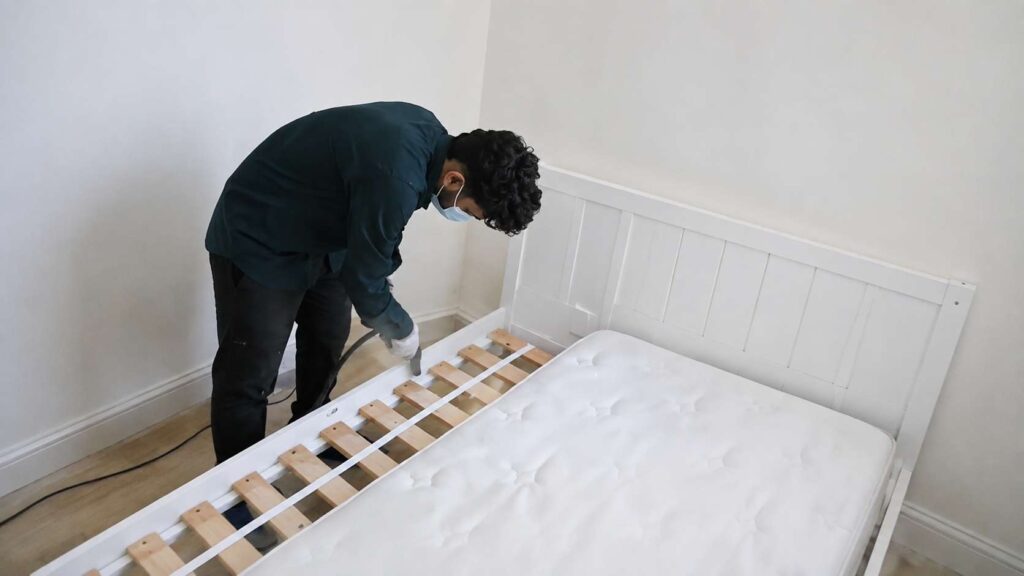
A good company can tell you what should be cleaned, what should be removed, what must be dried, and what caused the mold in the first place.
At Bio-On, you’ll get a specialized mold cleaning treatment for your property without damaging and causing further issues. Bio-On will ensure you won’t get recurring mold issues if you choose our regular mold inspection and follow-up care. Call us now for hassle-free mold cleaning.
How to Compare Mold Cleaning Companies
When choosing a mold cleaning company, compare the process and not simply go for the cheapest service. Cheap mold cleaning can become expensive if the company only sprays the surface and leaves the source untreated.
Ask these questions before booking:
| Question | Why It Matters |
|---|---|
| Do you inspect the moisture source first? | Mold returns if the damp condition remains. |
| What surfaces can you clean safely? | Different materials need different methods. |
| Do you remove damaged porous materials? | Some materials cannot be cleaned completely. |
| Do you use containment when needed? | It helps reduce spread during cleaning. |
| Do you use HEPA filtration for larger jobs? | It helps control fine particles during remediation. |
| Do you provide before-and-after photos? | Documentation helps confirm the work done. |
| Do you explain prevention steps? | Mold cleaning should reduce future recurrence. |
| Is testing included or separate? | Testing is not always needed, but pricing should be clear. |
Be careful with companies that promise permanent mold removal without checking moisture. Also be cautious if the service only offers fogging, fragrance, or chemical spraying. In my experience, those may have limited roles, but they should not replace inspection, physical removal, drying, and moisture control.
How to Keep Mold From Coming Back After Cleaning
To keep mold from coming back, the property must stay dry. Cleaning removes the current growth, but moisture control prevents the next one.
Practical prevention steps include:
- Repair leaks quickly
- Keep indoor humidity under control
- Use exhaust fans in bathrooms and kitchens
- Service AC units and clear condensate drains
- Keep furniture slightly away from damp walls
- Dry wet carpets, curtains, and furniture quickly
- Avoid painting over mold
- Improve airflow in wardrobes and storage rooms
- Clean dust from corners and vents
- Use a dehumidifier in damp rooms when needed
- Monitor previously affected areas for odor or staining
If you’ve hired a professional mold cleaning service, follow their suggestions, and you’ll see no mold coming back.
How Good Mold Cleaning Should Look Like
Good mold cleaning starts with moisture control, safety preparation, and the right method for the surface type. Hard surfaces may often be cleaned with detergent and water, then dried completely. Porous or water-damaged materials may need removal instead of surface treatment.
For small, clear, surface-level mold, DIY cleaning may be enough if you protect yourself and fix the moisture source. But if mold is large, recurring, hidden, musty-smelling, water-damage-related, or growing on drywall, carpet, insulation, ceiling tiles, wood structures, or HVAC areas, hiring a professional mold cleaning company is the safer choice.
The best result is not just a cleaner-looking surface. It is a dry, properly treated area where the mold is less likely to return.