


Can Mold Actually Cause Death?
Yes, mold can contribute to life-threatening situations, but it is not common in ordinary homes.
For most healthy people, exposure to household mold usually causes problems such as:
- Sneezing
- Coughing
- Nasal irritation
- Watery eyes
- Skin irritation
- Worsened asthma symptoms
- Allergy reactions
However, certain people may face higher risks.
These include:
- People with severely weakened immune systems
- Individuals undergoing chemotherapy or immune-suppressing treatments
- Organ transplant recipients
- People with severe lung diseases
- Elderly individuals with serious health conditions
In these cases, certain types of fungi can cause invasive infections. These infections can become dangerous because the fungus may enter deeper tissues, including the lungs or bloodstream.
The important distinction is this:
A moldy wall does not usually mean someone will suddenly die. A serious risk develops when exposure, vulnerability, and environmental conditions combine.
The Truth About Death From Mold in the UAE
The UAE has a unique environment that can encourage mold growth:
- High outdoor humidity
- Strong dependence on air conditioning
- Poor ventilation in some buildings
- Condensation around AC systems
- Water leaks from plumbing or waterproofing failures
These conditions do not automatically make mold deadly, but they can allow mold colonies to grow faster if moisture is ignored.
Is There a Known Number of Mold Deaths in the UAE?
There is no widely available official statistic showing how many people in the UAE die specifically from household mold exposure.
This is because mold-related health impacts are difficult to measure. Health problems caused by mold are often recorded as:
- Respiratory infections
- Asthma complications
- Allergic reactions
- Fungal infections
rather than simply being labeled as “death from mold.”
Globally, severe fungal infections caused by molds do occur, but they are typically associated with people who have weakened immune systems or serious underlying illnesses.
For the average UAE homeowner, the bigger concern is not sudden death. The bigger concern is allowing mold to remain untreated and create ongoing indoor air quality problems.
Powerful Mold Insights Every UAE Homeowner Should Know
Understanding how mold behaves can help homeowners avoid unnecessary panic while still taking the problem seriously.
Mold Is a Moisture Problem First
Many people think mold is the main problem.
Actually, mold is usually the symptom.

Mold appears because something allows moisture to remain:
- A hidden pipe leak
- AC condensation issue
- Bathroom humidity
- Water seepage
- Poor airflow
- Building waterproofing failure
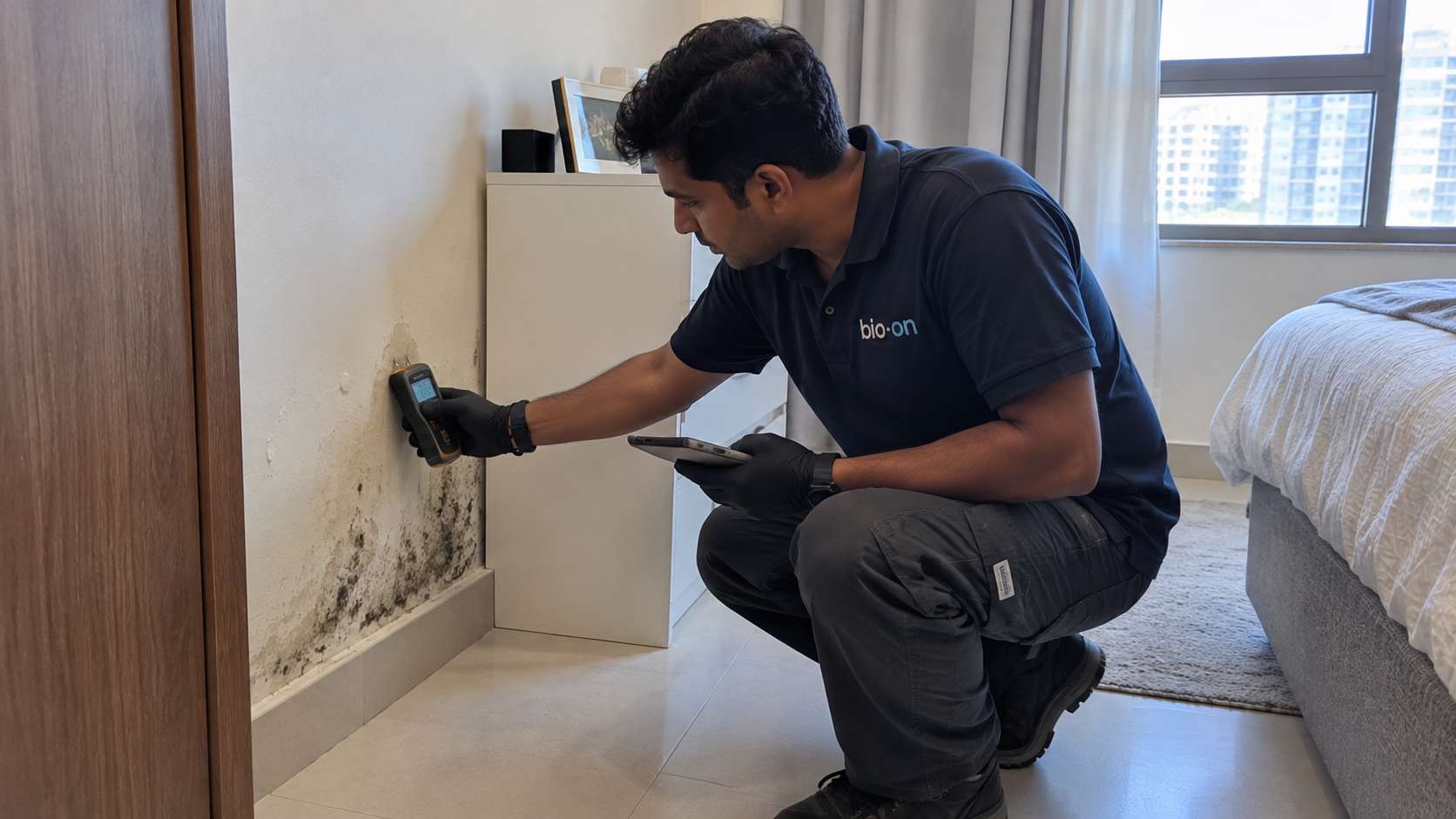
Removing visible mold without fixing the moisture source is like drying the floor while the pipe is still leaking.
The mold will likely return.
Black Mold Does Not Automatically Mean Death
The phrase “black mold” creates fear because some molds can produce harmful substances under certain conditions.
However, color alone does not determine danger.
Black-colored growth can come from different fungi, and the actual risk depends on:
- Species
- Amount of growth
- Location
- Exposure duration
- Health condition of occupants
A small black spot behind a bathroom cabinet and extensive mold contamination inside an HVAC system are very different situations.
Hidden Mold Can Be More Important Than Visible Mold
One of the biggest mistakes homeowners make is focusing only on what they can see.
Mold can hide behind:
- Drywall
- Wallpaper
- Cabinets
- Flooring
- AC ducts
- Insulation
A room may look clean while moisture continues feeding hidden growth.
Warning signs include:
- Persistent musty smell
- Water stains
- Peeling paint
- Repeated condensation
- Unexplained allergy symptoms indoors
Mold Does Not Need to Be Toxic to Be a Problem
Many homeowners focus only on “toxic mold.”
But even common household molds can create issues by producing:
- Allergens
- Irritants
- Airborne spores
The goal is not only identifying whether mold is “toxic.” The goal is preventing unnecessary exposure and correcting the conditions that allow mold growth.
Short-Term Fixes to Reduce Mold Risk Immediately
If you discover mold in your UAE home, these steps can help reduce immediate exposure.
1. Improve Airflow Immediately
Increase ventilation by:
- Opening windows when outdoor conditions allow
- Running exhaust fans
- Avoiding stagnant air in closed rooms
Better airflow helps reduce moisture accumulation.
2. Control Indoor Humidity
Use tools such as:
- Dehumidifiers
- Hygrometers to monitor humidity
- Air conditioning properly maintained
Lower humidity makes it harder for mold to continue growing.
3. Remove Wet Materials
Do not allow damp materials to remain indoors.
Examples:
- Wet cardboard
- Damp fabrics
- Water-damaged furniture
- Saturated carpets
These materials can continue supporting mold growth.
4. Avoid Disturbing Large Mold Areas
Aggressively scrubbing large mold colonies can release more spores into the air.
If the affected area is extensive, hidden, or connected to water damage, professional assessment may be safer.
Long-Term Fixes to Prevent Mold From Returning
Short-term cleaning helps, but long-term prevention requires addressing the cause.
Fix Water Intrusion Problems
Permanent mold prevention starts with repairing:
- Plumbing leaks
- Roof leaks
- Wall seepage
- Bathroom waterproofing failures
- AC drainage problems
Without fixing these problems, mold can repeatedly return.
Maintain Your AC System
Because UAE homes rely heavily on air conditioning, AC maintenance is critical.
Important steps include:
- Cleaning filters regularly
- Inspecting condensation drains
- Checking for moisture buildup
- Cleaning contaminated components when needed
A neglected AC system can distribute mold particles throughout the home.
Improve Building Ventilation
Modern UAE homes are often tightly sealed for cooling efficiency.
However, poor ventilation can trap:
- Humidity
- Odors
- Airborne particles
Better ventilation strategies help maintain healthier indoor conditions.
Perform Professional Mold Remediation When Necessary
Professional mold remediation may be needed when:
- Mold covers large areas
- Mold keeps returning
- The source cannot be identified
- There is hidden water damage
- HVAC systems are affected
A complete remediation process usually involves:
- Inspection
- Moisture source identification
- Containment
- Mold removal
- Cleaning
- Restoration
- Prevention improvements
The goal is not simply removing the visible stain. The goal is restoring the environment that allowed mold to grow.
The Bottom Line: Should UAE Homeowners Fear Death From Mold?
Death from mold is possible but very uncommon, especially among healthy individuals living in normal household environments. The bigger risk for UAE homeowners is ignoring mold growth, allowing moisture problems to continue, and creating long-term indoor air quality issues.
The right response is not panic. It is action.
Control moisture, improve ventilation, repair leaks, maintain AC systems, and remove mold properly when needed. A dry and well-maintained home is the strongest protection against mold-related health risks.