


Is Buying a House After Mold Remediation Safe?
Yes, buying a house after mold remediation can be safe, but only if the mold problem was correctly handled.
Mold remediation does not mean a property is permanently immune from mold. It means the existing contamination was addressed and the conditions that allowed mold growth should have been corrected.
A properly remediated home should have:
- The original moisture source repaired
- Mold-affected materials removed or cleaned
- Remaining areas properly treated
- Indoor conditions improved to reduce future risk
The biggest mistake buyers make is focusing only on the fact that mold existed. A previous mold problem does not automatically make a house a bad investment. In many cases, a properly restored property can be completely suitable for living.
The concern is whether the remediation was professional, complete, and supported by evidence.
What Should You Verify After Mold Remediation?
Before buying a house with a mold remediation history, ask for proof that the work was completed properly.
A seller’s statement that “the mold was fixed” is not enough.
Buyers should request documentation showing what happened before, during, and after remediation.
1. Review the Mold Remediation Report
A professional remediation company should typically provide a detailed report explaining the work performed.
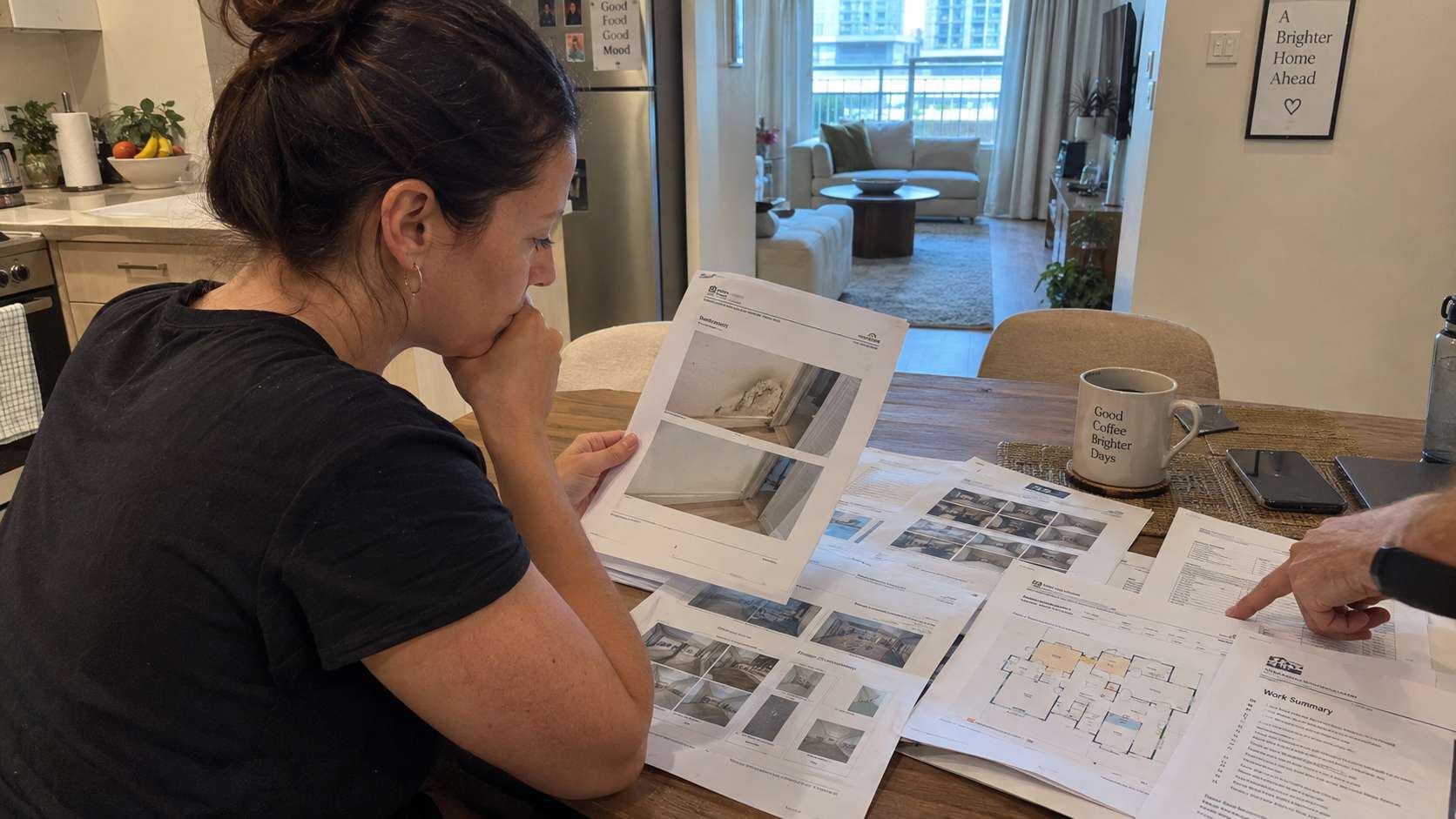
The report may include:
- Areas affected by mold
- Identified moisture sources
- Materials removed or treated
- Cleaning methods used
- Remediation steps completed
- Photos of the affected areas
This helps buyers understand whether the issue was minor or whether the property had a larger contamination problem.
For example, removing mold from a bathroom ceiling after a small leak is very different from removing mold behind walls after long-term water damage.
2. Ask for a Mold Remediation Certificate or Completion Documentation
Many buyers ask whether there is a “mold remediation certificate.”
The exact document name varies depending on the company and location. Unlike some official building certificates, there is not always one universal mold remediation certificate recognized everywhere.
Instead, buyers should look for documentation such as:
- Mold remediation completion certificate
- Remediation clearance report
- Work completion report
- Post-remediation verification report
The purpose of these documents is to confirm that the remediation company completed the agreed work and that the property was evaluated after treatment.
A good document should clearly state:
- Who performed the remediation
- When the work was completed
- What areas were treated
- What methods were used
- Whether post-remediation checks were performed
3. Confirm the Moisture Source Was Fixed
This is one of the most important checks.
Mold returns when moisture returns. A house may look clean after remediation but still have the same underlying problem.
Ask:
- Was a leaking pipe repaired?
- Was water intrusion from the roof fixed?
- Was ventilation improved?
- Was humidity controlled?
- Were damaged materials replaced?
A remediation report without proof of moisture correction should raise questions.
Should You Get a Mold Inspection Before Closing?
Yes, getting a mold inspection before closing can be a smart decision, especially if the property has a known mold history.
Even if the seller provides remediation documents, an independent inspection gives buyers additional confidence.
A post-remediation inspection focuses on whether the home currently has signs of moisture problems or remaining mold concerns.
When Is a Mold Inspection Especially Recommended?
A professional mold inspection is more important when:
- The previous mold problem was extensive
- Mold was found inside walls or ceilings
- The home had flooding or major water damage
- The property has a musty odor
- The remediation documents are incomplete
- The buyer has children, elderly family members, or sensitive occupants
- The house has been vacant for a long period
A normal home inspection may not always identify hidden moisture or mold-related concerns. A specialized inspection can provide a more focused assessment.
Should You Do Mold Testing Before Closing?
Mold testing can be useful, but it is not always necessary for every home.
Testing is most valuable when there is a specific concern, such as:
- Persistent musty smells
- Previous severe contamination
- Suspicion of hidden mold
- Unexplained allergy symptoms inside the home
- Questions about whether remediation was successful
Common testing methods may include:
Air Sampling
Air sampling measures airborne mold spores at the time of testing. It can help compare indoor conditions with outdoor air levels.
However, air testing alone does not always reveal the full condition of a property because mold growth can exist in hidden areas without producing unusual airborne levels at the exact testing time.
Surface Sampling
Surface samples may help identify what type of mold is present on a specific area.
However, identifying mold species is only one part of the assessment. The more important question is why mold existed and whether the moisture problem was solved.
Moisture Detection
Moisture inspection tools can help identify areas that may still have elevated moisture levels.
This can include:
- Moisture meters
- Thermal imaging cameras
- Visual inspection of vulnerable areas
For many buyers, confirming that the home is dry and properly restored is just as important as knowing the mold type.
What Questions Should You Ask the Seller Before Buying?
Before signing the final agreement, ask clear questions about the mold history.

Examples include:
- When was the mold discovered?
- What caused the mold growth?
- Which areas were affected?
- Was any drywall, flooring, or insulation removed?
- Who performed the remediation?
- Are reports and invoices available?
- Was post-remediation verification completed?
- Has mold returned since treatment?
A transparent seller who provides documentation is usually easier to evaluate than one who only provides verbal reassurance.
The Bottom Line
Buying a house after mold remediation can be a reasonable choice if the property has been properly restored and the cause of the mold was permanently addressed.
The most important steps before closing are verifying remediation documents, confirming moisture repairs, and considering an independent mold inspection when there are remaining concerns.
A previous mold problem does not automatically mean a house is unsafe. The real risk comes from buying a property where mold was hidden, poorly treated, or likely to return. Proper verification turns a questionable purchase into a more informed decision.