


Why Is Buying a Moldy Property Considered High Risk?
A mold problem is often a warning sign, not the main problem itself. Mold grows because conditions are suitable for it, usually due to water leaks, poor ventilation, flooding, condensation, or high humidity.
When buying a property with mold, you are not only buying visible stains on walls or ceilings. You may also be buying the unknown problems behind them.
1. Hidden Property Damage Can Be More Serious Than Visible Mold
One of the biggest risks of buying a moldy property is that visible mold may only represent a small part of the problem.
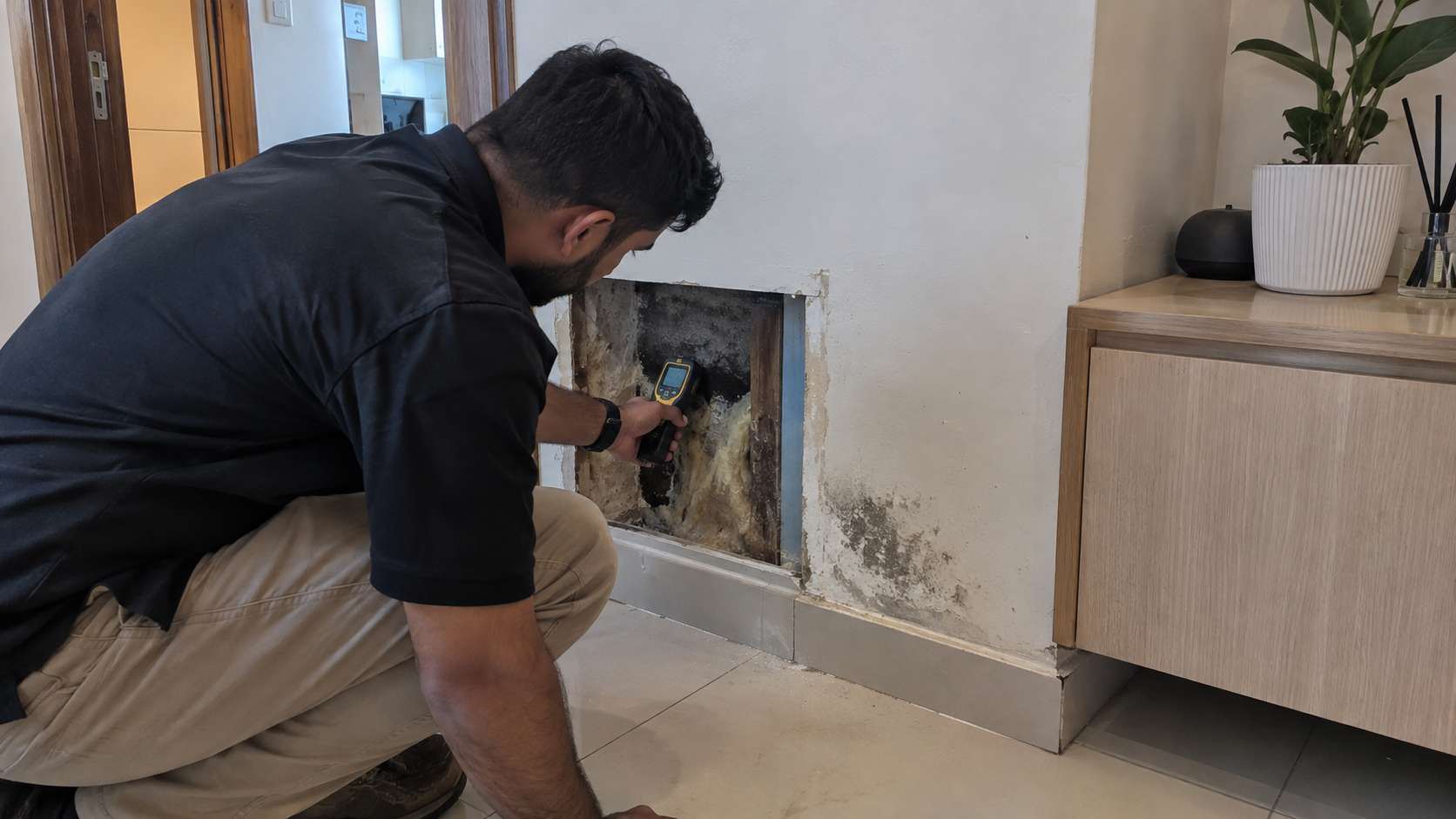
Mold can grow in hidden areas such as:
- Inside drywall
- Behind cabinets
- Under flooring
- Inside insulation
- Around plumbing systems
- Behind wall panels
If moisture has been trapped for a long time, the property may also have:
- Damaged wood structures
- Rotting materials
- Corroded metal components
- Deteriorated finishes
A property that looks like it only needs repainting may actually require deeper restoration.

2. Mold Can Reduce Resale Value
Mold history can affect how future buyers view a property.
Even after successful remediation, some buyers may hesitate because they worry about:
- Previous mold contamination
- Hidden recurring problems
- Future repair costs
- Indoor air quality concerns
A home with a documented mold problem may require more effort to sell compared with a similar property without a history of moisture issues.
However, this does not mean a moldy property can never recover its value. A properly restored property with clear documentation can regain buyer confidence.
3. Property Assessment Becomes More Complicated
A moldy property requires more than a standard home inspection.
Traditional property assessments may identify visible problems, but they may not fully determine:
- How far moisture has spread
- Whether mold exists behind walls
- Whether the original moisture source is fixed
- Whether structural materials are affected
Before purchasing, buyers should consider additional inspections such as:
- Moisture mapping
- Thermal imaging
- Mold testing when appropriate
- Detailed building condition assessments
Without proper evaluation, buyers may underestimate the true condition of the property.
4. Health Concerns Can Affect Occupants
Mold exposure can be more concerning for certain individuals, including:
- People with asthma
- Allergy sufferers
- Young children
- Elderly adults
- People with weakened immune systems
A moldy property may create an uncomfortable living environment if the source is not properly addressed.
The concern is not simply removing visible mold. The entire indoor environment needs improvement by controlling moisture and preventing recurrence.
Can Buying a Moldy Property Actually Be a Good Opportunity?
Despite the risks, buying a moldy property can sometimes create significant value.
The main reward is the possibility of purchasing an undervalued property and transforming it into a desirable home.
This strategy may work well when:
- The mold issue is clearly identified
- The property has strong location advantages
- The purchase price reflects the condition
- The moisture source can be repaired
- The building structure remains sound
For example, a property with mold caused by an old plumbing leak may have a very different outlook compared with a property suffering from years of uncontrolled water intrusion.
The cause matters more than the appearance.
When Is a Moldy Property Worth Buying?
A moldy property may be worth considering if the problem is manageable and the risks are understood.
Positive signs include:
- The mold source has an identifiable cause
- Structural damage is limited
- The property is priced significantly below market value
- Professional assessment confirms the repair scope
- The location and layout provide strong long-term value
A mold problem caused by one-time water damage can often be addressed more easily than a property with ongoing moisture problems.
On the other hand, buyers should be cautious if:
- The seller refuses inspection
- Mold keeps returning
- There are strong musty odors throughout the property
- Moisture problems are unexplained
- Multiple areas show damage
These signs may indicate a deeper building problem.
What Does It Cost to Turn a Moldy Property Into a High-Reward Investment?
The cost is not only financial. Turning a moldy property into a successful investment requires time, planning, and proper restoration decisions.
1. You Need a Complete Property Investigation
Before buying, understand exactly what you are dealing with.
This includes identifying:
- Where mold is growing
- Why moisture exists
- Whether contamination is hidden
- Which materials need replacement
Skipping this step creates the biggest risk because you may discover major problems after ownership transfers.
2. You Need to Fix the Moisture Problem First
Mold removal without moisture control usually leads to recurrence.
The real solution may require:
- Repairing leaking pipes
- Improving drainage
- Fixing roof issues
- Improving ventilation
- Controlling indoor humidity
- Correcting condensation problems
The property only becomes valuable again when the reason mold developed is permanently addressed.
3. You Need Proper Mold Remediation
Surface cleaning is not always enough.
A proper remediation process may involve:
- Containing affected areas
- Removing heavily contaminated materials
- Cleaning remaining surfaces
- Improving indoor air quality
- Verifying that the problem has been resolved
The goal is not only making the property look clean but restoring confidence that the home is safe and stable.
4. You Need Documentation for Future Buyers
A restored moldy property becomes much easier to sell when there is proof of proper work.
Useful documentation includes:
- Inspection reports
- Moisture assessment results
- Repair records
- Remediation reports
- Photos showing restoration progress
Transparency can help future buyers understand that the property problem was handled professionally.
The Bottom Line
Buying a moldy property can be both high risk and high reward. The risk comes from hidden damage, reduced resale confidence, health concerns, and unknown repair requirements. The reward comes from purchasing an undervalued property and improving it into a more desirable home.
However, the reward only happens when buyers treat mold as a building condition issue, not just a cleaning problem. A successful transformation requires proper inspection, moisture correction, professional remediation when needed, and clear documentation.
A moldy property is not automatically a bad investment. But buying one without understanding the full problem can turn an opportunity into a long-term headache.