


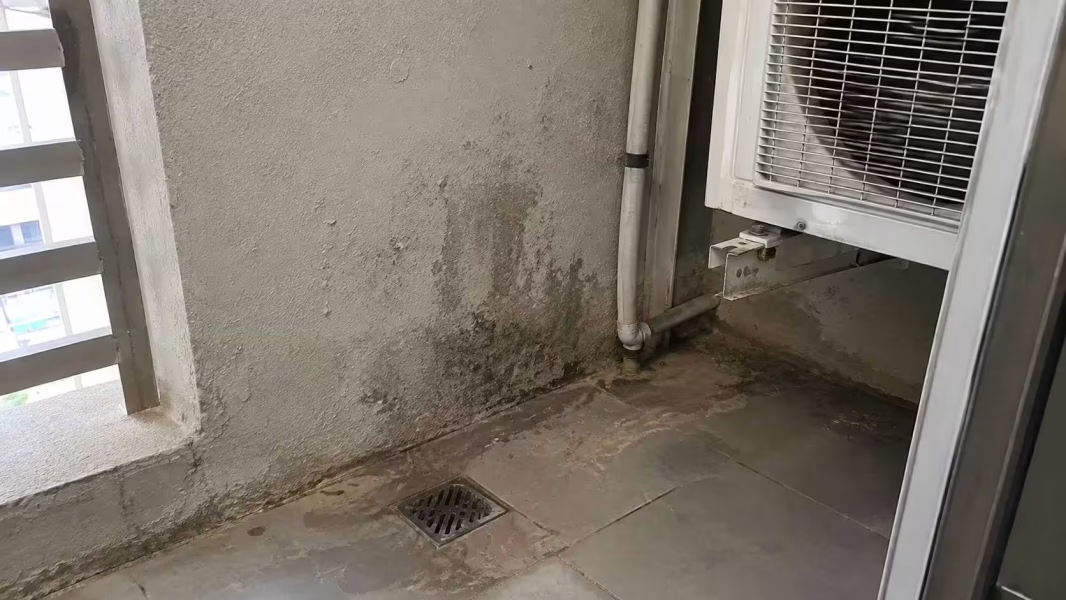
Why Mold Grows on Concrete in the First Place
Mold grows on concrete when moisture and organic dirt stay on the surface long enough. The concrete itself is mostly mineral, so it is not mold’s favorite food. But dust, soil, paint, adhesive, drywall residue, oil film, wood dust, cardboard, carpet backing, leaves, and grime on top of concrete can feed mold.
Concrete can also hold moisture. Unsealed concrete, basement walls, patios, balconies, garage slabs, block walls, and concrete around AC or plumbing areas may absorb water through pores and cracks. If the area stays damp, mold has the environment it needs.
Common causes include:
- Water leaks from plumbing or AC drainage
- Flooding or repeated rain splash
- Poor exterior drainage
- High indoor humidity
- Condensation on cool concrete
- Wet carpets or mats placed over concrete
- Dirt buildup on patios or garages
- Poor sunlight and poor airflow
- Damp storage boxes touching the slab
- Cracks, gaps, and unsealed joints
The first thing to understand is this: mold on concrete is rarely just a cleaning problem. It is usually a moisture problem plus a dirt problem. If you remove the stain but leave the water source, the mold can return.
This is why a clean-looking concrete floor can smell musty again after a few days. The surface may be better, but the pores, cracks, underside of flooring, or nearby damp wall may still be holding moisture.
The Safest Basic Method to Kill Mold on Concrete
The safest basic method is detergent, scrubbing, and complete drying. This is the best first option for small mold patches on bare or sealed concrete where the area is easy to access and there is no major water damage.
Start by wearing protection. CDC recommends protecting your mouth, nose, skin, and eyes during mold cleanup, including using at least a NIOSH-approved N95 respirator when cleaning mold.
For a small DIY concrete cleanup, prepare:
- N95 respirator
- Rubber, nitrile, neoprene, or PVC gloves
- Goggles
- Stiff nylon brush
- Bucket
- Mild detergent
- Clean water
- Towels or wet vacuum
- Dehumidifier or fan for drying
- Trash bags for contaminated debris
Wet the moldy area lightly before scrubbing. This helps reduce dust. Mix detergent with water, scrub the affected concrete, and remove the dirty water. Don’t just push the dirty solution into another corner. Rinse or wipe as needed, then dry the surface fully.
Pros:
- Affordable
- Safer than strong chemicals
- Good for small surface mold
- Easy to DIY
- Works well on hard concrete surfaces
Cons:
- May not remove deep staining
- Requires physical scrubbing
- May not solve mold inside cracks
- Won’t work if moisture keeps coming back
Tools or skill required: Basic DIY skill. You need patience, protective gear, and proper drying equipment.
This method is not glamorous, but it matches the most important mold cleanup principle: remove the growth and dry the material. For many small concrete patches, this is enough.
Bleach on Concrete: Useful, but Not the Magic Answer
Bleach can lighten mold stains and may kill some surface mold on hard, non-porous areas. But it is not the best routine answer for every concrete mold case.
EPA says the use of biocides such as chlorine bleach is not recommended as a routine practice during mold cleanup. It also says dead mold may still cause allergic reactions, so simply killing it is not enough.
That matters because people often spray bleach, watch the black stain fade, and assume the problem is solved. But if the mold residue remains, if the concrete stays wet, or if the mold has reached pores and cracks, the issue can return.

Bleach also has safety risks. CDC warns not to mix bleach and ammonia because it can create toxic vapors. It also advises following product instructions and using protection when cleaning mold.
Pros:
- Can reduce visible staining
- Easy to find
- Can disinfect some hard surfaces
- May help on small non-porous concrete areas
Cons:
- Not recommended as routine mold cleanup
- Strong odor and fumes
- Can irritate eyes, skin, throat, and lungs
- Dangerous if mixed with other cleaners
- Does not replace scrubbing and removal
- May not solve porous or recurring mold
Tools or skill required: Moderate DIY caution. You need ventilation, gloves, goggles, correct dilution, and strict chemical safety.
Use bleach only when appropriate, and never as your only strategy. If you use it, remove the mold first, follow the product label, ventilate well, never mix chemicals, and dry the area completely.
Vinegar, Hydrogen Peroxide, and Baking Soda Methods
Many people prefer household products because they feel safer than harsh cleaners. These options can help in some small concrete mold cases, but they also have limits.
White vinegar may help on light surface mold and musty smells. Hydrogen peroxide may help clean and brighten some surfaces. Baking soda can help with mild scrubbing and odor control. But none of these fixes the real cause if water keeps entering the concrete.
The practical approach is to treat these as cleaning aids, not miracle mold killers.
Vinegar method
Spray or apply white vinegar to the affected area, let it sit for a short period, scrub, rinse or wipe, and dry fully.
Pros:
- Low cost
- Less harsh than bleach
- Useful for light surface mold
- Can help with odor
Cons:
- Strong smell
- May not remove heavy growth
- Not ideal for all sealed or decorative concrete
- Requires scrubbing and drying
Tools or skill required: Easy DIY. Good for small, mild patches.
Hydrogen peroxide method
Apply 3% hydrogen peroxide to the moldy concrete, let it fizz, scrub, wipe or rinse, and dry completely. Test a small area first because it may lighten some surfaces.
Pros:
- Can help lift stains
- Less fume-heavy than bleach
- Useful on small patches
- Easy to apply
Cons:
- Can discolor some finishes
- Not enough for deep or recurring mold
- Needs contact time and scrubbing
- Can still irritate skin or eyes
Tools or skill required: Easy to moderate DIY. Test first and wear protection.
Baking soda scrub
Mix baking soda with water into a paste or mild solution, scrub the concrete, then rinse and dry.
Pros:
- Gentle
- Cheap
- Helpful for odor and light grime
- Low chemical risk
Cons:
- Weak for heavy mold
- Needs effort
- May leave residue if not rinsed
- Not a complete remediation method
Tools or skill required: Easy DIY. Best for mild cleaning support, not serious contamination.
Pressure Washing Moldy Concrete
Pressure washing can be effective for outdoor concrete such as patios, driveways, exterior stairs, boundary walls, pool decks, and balconies. It physically removes mold, dirt, algae, and grime from the surface.
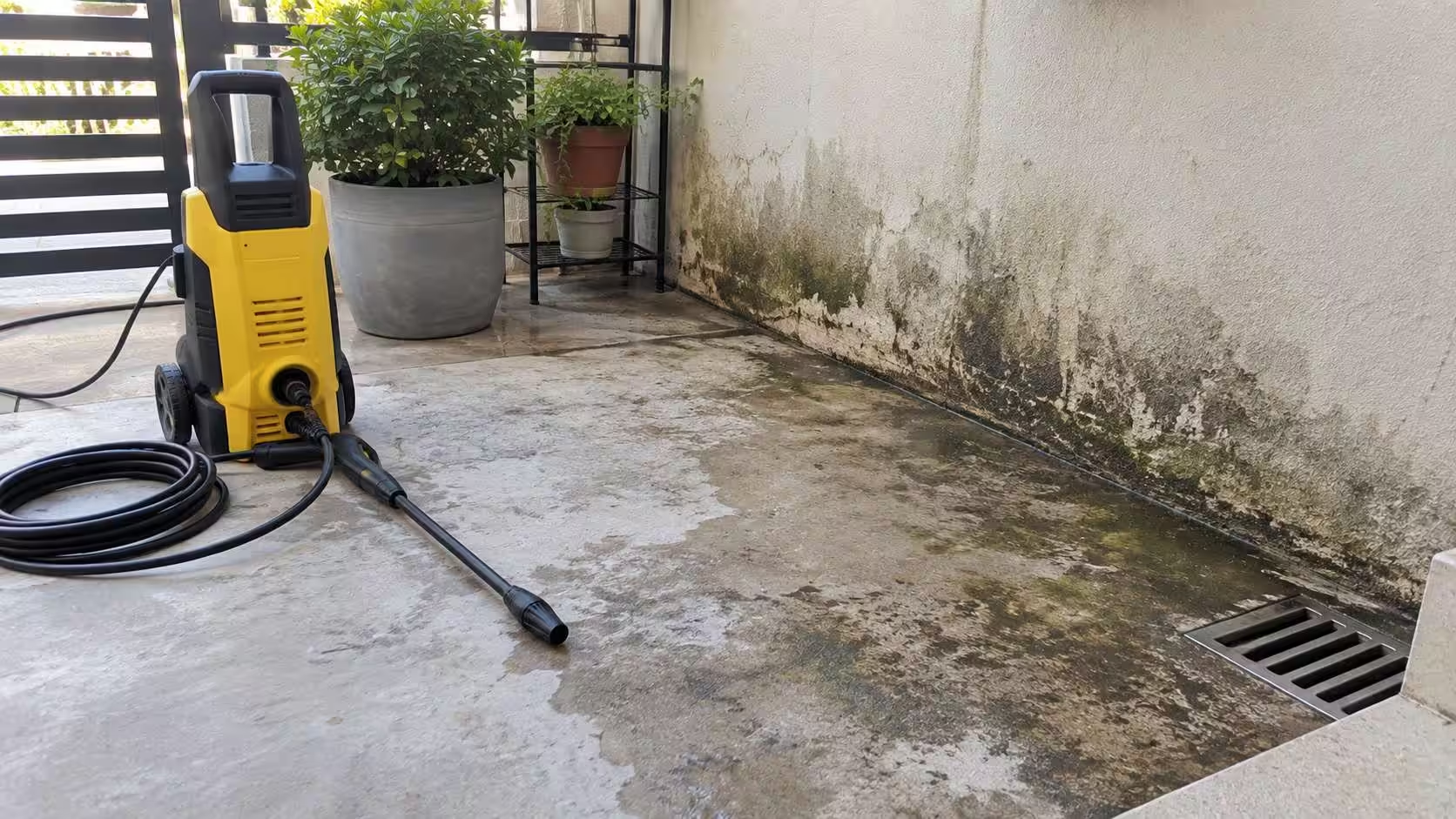
But pressure washing is not always safe indoors. It creates mist, splashback, and contaminated runoff. If used inside a garage, basement, warehouse, or enclosed area, it may spread mold particles and water into nearby materials.
Pros:
- Fast on outdoor concrete
- Removes dirt and growth physically
- Good for patios and driveways
- Can cover large areas
- Reduces heavy surface buildup
Cons:
- Can spread contaminated spray
- Not ideal indoors
- Can damage weak concrete or coatings
- Does not fix moisture source
- Runoff must be controlled
- May push water into cracks
Tools or skill required: Moderate DIY to professional level. You need a pressure washer, proper nozzle, drainage planning, eye protection, and control of overspray.
Use lower pressure first. Avoid blasting damaged concrete, painted concrete, old mortar, soft joints, or areas near doors and indoor flooring. After washing, the concrete must dry completely. If the area stays damp, mold or algae may return.
For outdoor concrete that gets moldy because of shade, poor drainage, or constant irrigation splash, cleaning is only half the solution. Trim plants, improve sunlight, redirect water, and stop repeated wetting.
Steam Cleaning and Hot Water Extraction
Steam cleaning can help when you want heat, moisture control, and less chemical use. It may be useful for some concrete floors, garages, commercial areas, and lightly contaminated surfaces.
The benefit is that heat can loosen grime and help clean textured concrete. But steam also adds moisture. If the area is not dried afterward, you may accidentally create the same condition mold likes.
Hot water extraction may also be useful for concrete surfaces after water damage, especially when combined with drying equipment. EPA remediation guidance for concrete or cinder block surfaces includes removing water with a water-extraction vacuum and accelerating drying with dehumidifiers, fans, or heaters.
Pros:
- Less chemical-heavy
- Good for grime and textured surfaces
- Can support deep cleaning
- Useful with extraction equipment
Cons:
- Adds moisture if not extracted
- Not enough for hidden mold
- Equipment may be expensive
- Requires drying plan
- Can be slow for large areas
Tools or skill required: Moderate to advanced. Best with extraction vacuum, drying equipment, and moisture checks.
This method is better for people who understand drying. If you steam clean a moldy concrete room and leave it humid overnight, you may make the problem worse.
Hepa Vacuuming and Dry Debris Control
HEPA vacuuming is useful when moldy dust, loose debris, or settled particles are present. It should not replace scrubbing. Instead, it supports cleanup before or after removal, especially in indoor areas.
A normal household vacuum is not the same. It may spread fine particles back into the air. A true HEPA vacuum is designed to capture very small particles more effectively.
Use HEPA vacuuming when:
- The concrete has dusty mold residue
- You are cleaning an indoor slab
- You need to remove settled debris before wet cleaning
- Moldy material was disturbed nearby
- You are doing post-cleaning dust control
Pros:
- Helps control fine dust
- Better for indoor cleanup
- Useful before and after scrubbing
- Supports safer remediation
Cons:
- Requires proper HEPA equipment
- Does not kill mold by itself
- Does not remove stains alone
- Poor technique can still disturb particles
Tools or skill required: Moderate. You need the right vacuum, slow passes, and safe filter handling.
HEPA vacuuming is especially useful in professional remediation because mold cleanup is not just about what you can see. It is also about reducing the particles that may spread during work.
Sealing Concrete After Mold Removal
Sealing concrete can help prevent moisture absorption and make future cleaning easier. But sealing should only happen after the mold is removed, the concrete is dry, and the water source is fixed.
Never seal over active mold. That only hides the problem and may trap moisture. CDC advises fixing the water problem completely and cleaning up all mold before painting or caulking. The same logic applies to sealing concrete.
A concrete sealer may help in:
- Garages
- Basements
- Storage rooms
- Balconies
- Patios
- Utility rooms
- Warehouses
- Damp concrete walls
Pros:
- Reduces moisture absorption
- Makes future cleaning easier
- Helps protect porous concrete
- Can reduce recurring surface growth
Cons:
- Fails if applied on damp concrete
- Can trap moisture if used too early
- Needs surface preparation
- May peel or discolor
- Not a replacement for drainage repair
Tools or skill required: Moderate DIY. You need surface prep, drying confirmation, correct sealer choice, and proper application.
For indoor areas, choose a product suitable for interior use and ventilation conditions. For exterior areas, choose based on weather exposure, slip resistance, and surface type.
DIY or Professional Help for Concrete Mold
DIY is reasonable when the mold is small, surface-level, outdoors or well-ventilated, and not connected to major water damage. A small patch on a patio, balcony edge, garage corner, or concrete step can often be handled with protective gear, detergent scrubbing, rinsing, and drying.
DIY makes sense when:
- The area is small
- The mold is on bare concrete
- There is no strong musty smell indoors
- No one in the property has strong symptoms
- The moisture source is obvious and fixed
- You can dry the area completely
- You don’t need demolition or containment
Professional help makes more sense when the mold is recurring, widespread, indoors, hidden, or connected to building moisture. EPA guidance says if mold growth covers more than about 10 square feet, you may choose to hire a contractor or professional service provider for cleanup.
Call a professional if:
- Mold keeps coming back after cleaning
- The concrete is part of a damp basement, villa, warehouse, or AC room
- There is a strong musty smell indoors
- Water damage affected walls, flooring, or insulation
- Mold is spreading from concrete into drywall, wood, cabinets, or carpet
- Someone has asthma, allergies, immune issues, or respiratory symptoms
- You need HEPA control, containment, or moisture assessment
- You are cleaning a commercial space, rental property, clinic, office, or restaurant
Professional mold remediation is not just “stronger cleaning.” It should include source inspection, moisture checks, safe removal, containment when needed, cleaning, drying, and prevention planning.
For UAE homes, villas, offices, warehouses, and commercial properties, Bio-On is a practical recommendation when concrete mold is more than a small outdoor stain. Bio-On can help assess the moisture source, clean affected areas, manage odor, and prevent the issue from returning.
The Bottom Line
The best way to kill mold on concrete is to remove it physically, clean the surface properly, dry it completely, and fix the moisture source. Detergent and water are the safest first method for small hard-surface mold. Vinegar, hydrogen peroxide, baking soda, pressure washing, steam cleaning, HEPA vacuuming, and sealing can all help in the right situation, but none of them works permanently if the concrete stays damp.
Bleach may lighten stains, but it is not a routine magic fix. Dead mold can still cause allergic reactions, so your goal should be removal, not just killing.
For small outdoor or surface-level mold, DIY can work. For recurring, indoor, large, hidden, musty, or health-related mold, professional remediation is the safer choice. If the concrete mold is part of a bigger moisture problem, Bio-On can help stop the issue properly instead of letting the annoying “pest” keep coming back.