


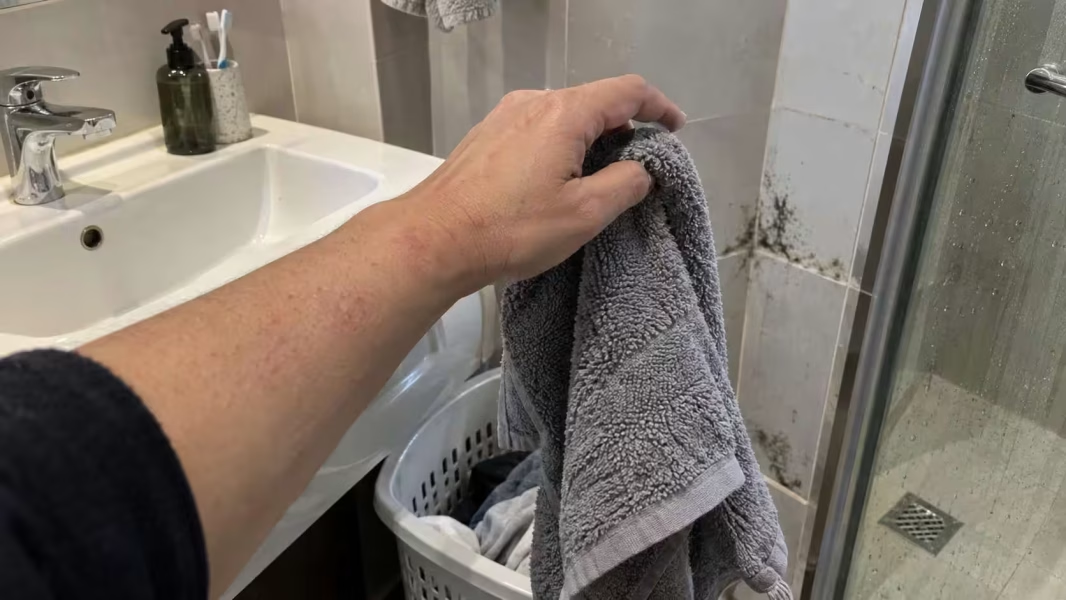
What Do Mold Spores on Skin Actually Do?
Mold spores on skin usually don’t “grow” on healthy skin the way mold grows on a damp wall. Your skin is warm, living tissue with natural oils, immune defenses, and regular shedding. That makes it very different from wet drywall, fabric, wood, or AC insulation.
But mold spores can still cause problems. They may act like an allergen or irritant. If you touch moldy material, clean a moldy wall without protection, sleep near moldy AC airflow, or handle moldy clothes, your skin may react.
The most common skin-related reactions include:
- Itchy red patches
- Small bumps
- Dry, irritated skin
- Burning or stinging
- Worsened eczema
- Rash in areas that touched moldy surfaces
- Rash after staying in a damp or moldy room
According to the CDC, people sensitive to mold may experience symptoms such as stuffy nose, wheezing, red or itchy eyes, and skin rash. Damp buildings have also been linked with eczema and other health complaints in workplace and indoor exposure studies.
So, mold spores on your skin can matter. But the reaction depends on your body, the amount of exposure, how long the skin stayed contaminated, and whether there are other irritants involved, such as dust, cleaning chemicals, sweat, or dirty water.
How to Tell If You’re Allergic to Mold Spores on Your Skin
You may suspect a mold-related skin allergy if the rash appears or gets worse after exposure to a moldy environment. The pattern is often more important than the rash itself.
For example, your skin may itch after:
- Cleaning a moldy bathroom
- Touching moldy clothes, carpet, books, mattress, or furniture
- Sleeping in a room with a musty smell
- Sitting near moldy AC vents
- Entering a damp storage room
- Handling water-damaged items
- Staying in a building where your nose, eyes, and breathing also react
A mold allergy often behaves like other allergies. Mayo Clinic explains that mold allergy can cause symptoms similar to hay fever, such as sneezing, runny or stuffy nose, coughing, itchy eyes, and other allergic responses. Skin symptoms can happen too, especially in people who are already allergy-prone.
A mold-related skin allergy is more likely when the rash comes with other allergy signs, such as watery eyes, sneezing, sinus congestion, throat irritation, or wheezing. If your skin is the only symptom, mold may still be involved, but other causes become more likely.
The timing can help too. If your skin improves when you leave the moldy place and returns when you go back, that’s a strong clue. If the rash keeps spreading even after you avoid the area, it may be a separate skin infection, eczema flare, medication reaction, insect bite reaction, or another dermatology issue.
Mold Rash vs Fungal Infection: They’re Not the Same
A “mold rash” is usually an allergic or irritant reaction. A fungal infection is an actual infection caused by fungi growing on or in the skin. These two can look similar at first, but they behave differently.
A mold-related rash may look like red, itchy, irritated skin. It may appear after exposure and calm down after washing, avoiding the trigger, and using allergy relief. It may be patchy and may not have a clear ring shape.
A fungal skin infection, such as ringworm or athlete’s foot, often has a more defined pattern. It may be circular, scaly, spreading outward, or located in warm, moist areas such as between toes, groin folds, under the breast, or skin folds. It may keep spreading even if you’re no longer near the moldy wall or room.
Here’s a simple comparison:
| Skin issue | What it may look like | Common clue | Usual response |
|---|---|---|---|
| Mold allergy or irritation | Itchy red patches, bumps, burning, dry skin | Appears after mold exposure and may come with sneezing or itchy eyes | Washing, avoiding mold, antihistamines, soothing skin care |
| Contact dermatitis | Itchy or painful rash where something touched the skin | Clear contact area, often after touching contaminated items or chemicals | Avoid trigger, gentle washing, anti-itch care |
| Fungal infection | Scaly, spreading, ring-like, moist, or peeling rash | Persists or spreads over days/weeks | Antifungal medication |
| Eczema flare | Dry, itchy, inflamed patches | History of eczema or sensitive skin | Moisturizers, anti-inflammatory treatment, trigger control |
The American Academy of Dermatology notes that contact dermatitis can cause an itchy rash after something touches the skin, and scratching can raise the risk of infection. That matters because mold cleanup often involves more than mold. Dust, detergents, biocides, bleach, gloves, and contaminated water can also irritate skin.
So don’t assume every rash near mold is a fungal infection. And don’t assume every fungal-looking rash came from indoor mold. The right treatment depends on the actual cause.

What to Do After Mold Spores Touch Your Skin
If you recently touched mold, the first move is simple: remove the exposure from your skin. Don’t scrub aggressively. Harsh scrubbing can damage the skin barrier and make irritation worse.
Wash the area with mild soap and clean water. Remove contaminated clothes and wash them separately if they smell musty or were exposed to visible mold. Dry your skin well, especially in skin folds, between toes, and under tight clothing.
Avoid applying strong disinfectants to your skin. Products made for walls, tiles, AC units, or hard surfaces are not made for your body. Bleach, industrial mold removers, and strong biocides can burn or irritate skin.
For mild itching or irritation, you may consider:
- A cool compress
- Fragrance-free moisturizer
- Calamine lotion
- OTC oral antihistamine for allergy-type itching
- A mild OTC hydrocortisone cream for short-term itch relief, if suitable for you
- Keeping the area clean, dry, and uncovered when possible
Mayo Clinic says mold allergy symptoms can be eased with medicines, though there is no sure way to cure symptoms while exposure continues. This is a key point: skin relief may only be temporary if the room, AC, mattress, wardrobe, or wall is still moldy.
If the rash is painful, blistering, oozing, spreading quickly, or located near the eyes, face, genitals, or a large body area, it’s better to seek medical care instead of experimenting with multiple OTC products.
When OTC Relief May Help
Over-the-counter relief can help when the reaction is mild and looks more like allergy or irritation than infection. The goal is to calm itching, protect the skin barrier, and stop repeated exposure.
For allergy-type symptoms, oral antihistamines such as cetirizine, loratadine, or fexofenadine may help some people with itching and other allergy symptoms. Mayo Clinic lists common OTC antihistamines for allergy symptom relief, although your best choice depends on your health, age, medications, and whether drowsiness is a concern.
For irritated skin, fragrance-free moisturizer can help repair the skin barrier. This is especially useful if the skin feels dry, tight, or rough after cleaning moldy items or being in a damp room.
For itchy inflamed patches, short-term hydrocortisone cream may help in some mild cases. But it’s not ideal for every rash. For example, steroid creams can sometimes make fungal infections look less red while allowing the fungus to spread. That can delay the right treatment.
Use OTC relief carefully. Stop and get medical advice if:
- The rash spreads after treatment
- The itching keeps returning
- The skin becomes warm, swollen, painful, or pus-filled
- You develop fever
- You have breathing symptoms with the rash
- You have a weakened immune system
- You’re unsure whether it’s allergy, eczema, or infection
OTC products are for mild, short-term relief. They shouldn’t replace a doctor’s diagnosis when the rash is persistent or unusual.
When Antifungal Medication Makes More Sense
Antifungal medication makes more sense when the rash looks or behaves like a fungal skin infection. This is different from a simple mold allergy rash.
You may suspect a fungal infection if the rash:
- Has a ring-like border
- Is scaly or peeling
- Spreads outward slowly
- Appears between toes, in the groin, under breasts, or in skin folds
- Gets worse with sweat and tight clothing
- Doesn’t improve with basic allergy care
- Keeps coming back in the same area
Common OTC antifungal creams include clotrimazole, terbinafine, or miconazole, depending on the suspected type of fungal infection. These are usually applied for days or weeks according to the product label. Stopping too early can allow the infection to return.
But be careful with self-diagnosis. Some eczema, psoriasis, bacterial infections, allergic reactions, and even medication rashes can mimic fungal infections. If the rash is severe, widespread, painful, near sensitive areas, or not improving, a doctor or dermatologist should check it.
This is even more important for people with diabetes, immune suppression, chronic illness, or open wounds. The CDC notes that some people, including those with immune suppression or underlying lung disease, are at higher risk from mold exposure and fungal infections.
Also, if mold entered through a cut or wound, don’t treat it casually. The CDC explains that invasive mold infections can occur through inhalation or openings in the skin, though these are mainly a concern for higher-risk people and medical situations.
Should You Remove the Mold Source Too?
Yes. If your skin keeps reacting and you still have mold at home, the source needs attention. Creams and tablets may calm your symptoms, but they won’t fix a moldy AC vent, damp wall, leaking pipe, wet wardrobe, contaminated mattress, or hidden growth behind cabinets.
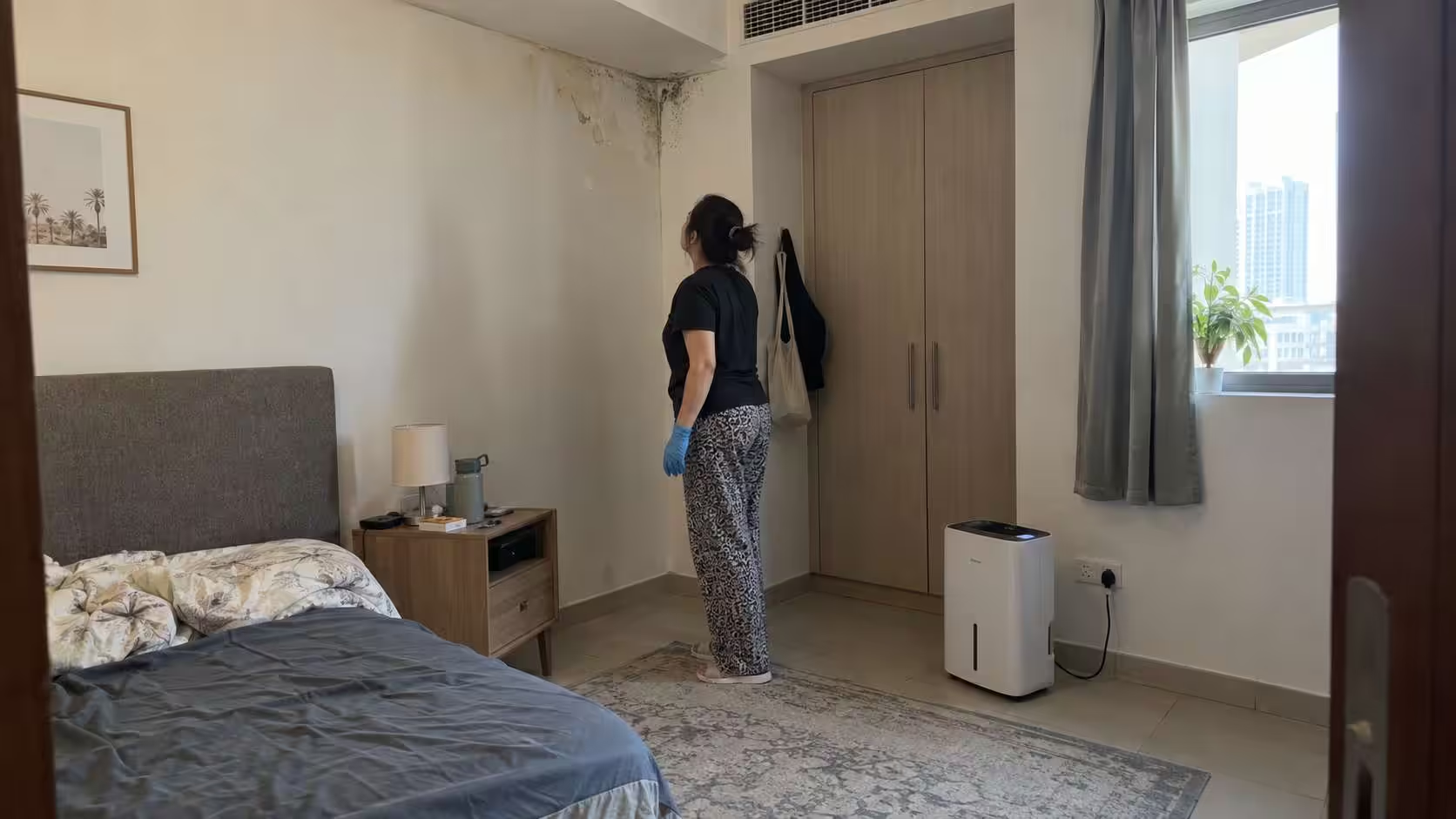
Mold exposure often continues because the real source is not visible. You may only notice a musty smell, recurring condensation, black spots around AC vents, peeling paint, damp corners, or symptoms that return in the same room.
Start with the basics:
- Fix leaks and condensation problems
- Keep humidity under control
- Dry wet materials quickly
- Clean small surface mold safely
- Remove moldy porous items if they can’t be cleaned
- Avoid sleeping near visible mold
- Don’t dry-brush mold because it can spread particles
- Wear gloves, eye protection, and a proper mask when cleaning
CDC guidance recommends protecting your mouth, nose, skin, and eyes during mold cleanup. It also warns that some people are more sensitive or at higher risk from mold exposure.
For small, non-porous areas, careful cleaning may be enough. But larger contamination, recurring growth, AC-related mold, sewage/water damage, or mold inside walls should be handled more seriously.
This is where professional mold remediation becomes relevant. A proper remediation team doesn’t just wipe the visible stain. They identify moisture sources, contain affected areas, reduce spore spread, clean contaminated surfaces, treat affected materials, and guide prevention so the issue doesn’t keep returning.
For homes, offices, villas, restaurants, or apartments in the UAE, Bio-On is a strong recommendation if you need professional mold inspection, mold remediation, odor control, and deeper contamination handling. This is especially useful when the mold is recurring, hidden, AC-related, or affecting people with allergies, skin reactions, asthma, or other sensitivities.
The Bottom Line
Mold spores on skin can cause itching, irritation, or a rash in sensitive people, but that doesn’t always mean you have a fungal infection. A mold allergy or contact reaction usually appears after exposure and may come with sneezing, itchy eyes, or breathing irritation. A fungal infection tends to spread, scale, form rings, or persist until treated with antifungal medication.
For mild symptoms, wash the skin, avoid the mold source, and consider safe OTC relief. For spreading, painful, recurring, or unclear rashes, get medical advice. And if your symptoms keep returning in the same home, room, or AC area, don’t only treat your skin. Find and remove the mold source properly.
Bio-On can help when the problem is bigger than surface cleaning, especially if you need proper mold remediation instead of temporary wiping. The real win is not just calmer skin. It’s a cleaner indoor environment that stops exposing you again and again.