


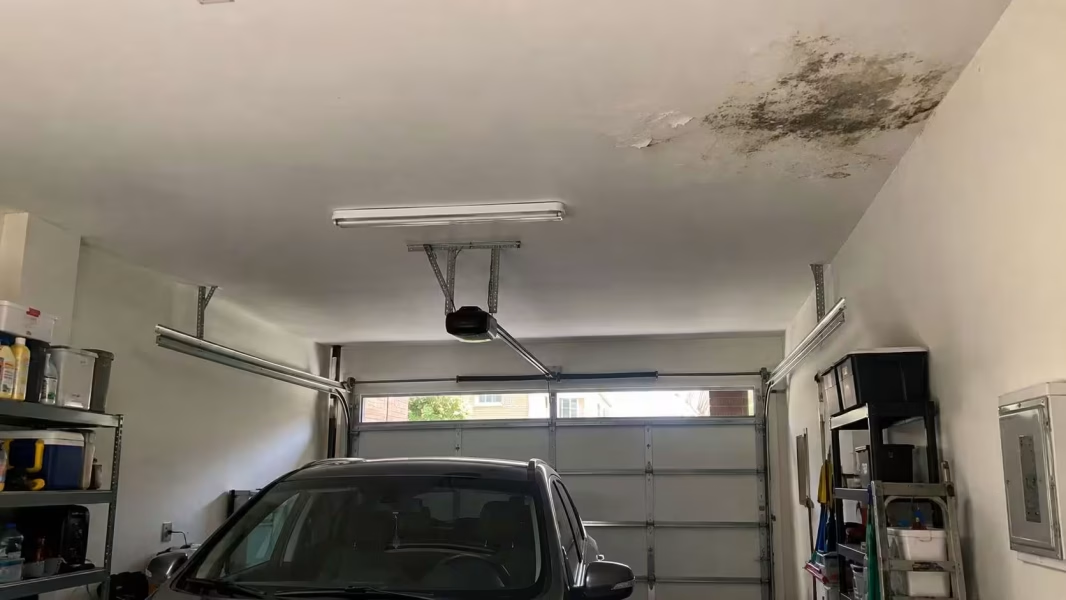
Black Mold on Garage Ceiling: What It Usually Means
Black mold on garage ceiling surfaces usually means the ceiling has been damp repeatedly or stayed wet after a leak. Mold does not appear because the garage is “dirty” alone. It needs moisture, oxygen, and something organic to feed on. In a garage ceiling, that food source may be drywall paper, dust, wood framing, insulation facing, old paint film, cardboard dust, or grime carried by humid air.
Do not assume every black stain is toxic black mold. Black staining may come from mold, mildew, soot, dirt, water staining, or old paint discoloration. However, if the patch is spotty, fuzzy, spreading, musty, or located near water damage, treat it as a mold warning until inspected.
Garages are often more vulnerable than living rooms because they are semi-conditioned or poorly ventilated. They may receive hot outdoor air, car moisture, AC pipe condensation, roof heat, and stored items that block airflow. In Dubai, garages can also deal with high outdoor humidity, AC condensation, and temperature differences between cooled rooms and hot garage spaces.
The most important rule: don’t just clean the stain. Find why the ceiling got damp. EPA notes that if condensation or moisture collects on walls, windows, or pipes, you should act quickly to dry the surface and reduce the moisture source.
1. Roof Leak Above the Garage
A roof leak is one of the most common causes of black mold on a garage ceiling. Water may enter through damaged waterproofing, cracked roof tiles, failed flashing, balcony leakage, parapet cracks, or roof drain problems. The leak may be slow, so the ceiling only looks slightly stained at first. Over time, drywall paper or wood above the ceiling becomes damp enough for mold.
You may notice brown water rings, peeling paint, soft ceiling spots, dripping after rain, or mold that gets worse during humid or rainy periods.
Fixing tips:
Inspect the roof, terrace, or slab above the garage before cleaning the ceiling. Repair cracks, failed waterproofing, broken tiles, or drainage problems. If the ceiling drywall is soft, swollen, or moldy on the back side, it may need removal and replacement. After the leak is repaired, dry the ceiling cavity completely before repainting.
Do not paint over the ceiling while it is still damp. That traps the problem and usually leads to recurring mold.
2. Plumbing Leak From a Room Above
If there is a bathroom, laundry area, kitchen, water tank line, or utility room above the garage, a plumbing leak can create black mold on the garage ceiling. Even a small leak from a drainpipe or water supply line can keep the ceiling wet for weeks.
Signs include mold directly below a bathroom, damp patches that grow slowly, water marks around pipe routes, or a musty smell that does not disappear after surface cleaning.
Fixing tips:
Call a plumber or building maintenance team to pressure-test or inspect the pipe route. If the leak is from a bathroom above, check floor drains, waterproofing, toilet seals, shower areas, and pipe joints. Remove wet ceiling material if it cannot be dried safely. Once the leak is fixed, use fans and dehumidification to dry the area before closing the ceiling again.
If mold is inside the ceiling cavity, surface spraying from below is not enough.
3. AC Condensation or Drain Line Leakage
AC-related moisture is a major mold trigger in hot climates. If an AC drain line runs above or near the garage ceiling, a clogged drain, sweating pipe, or poorly insulated duct can drip onto ceiling material. This can cause black mold even without rain or plumbing failure.
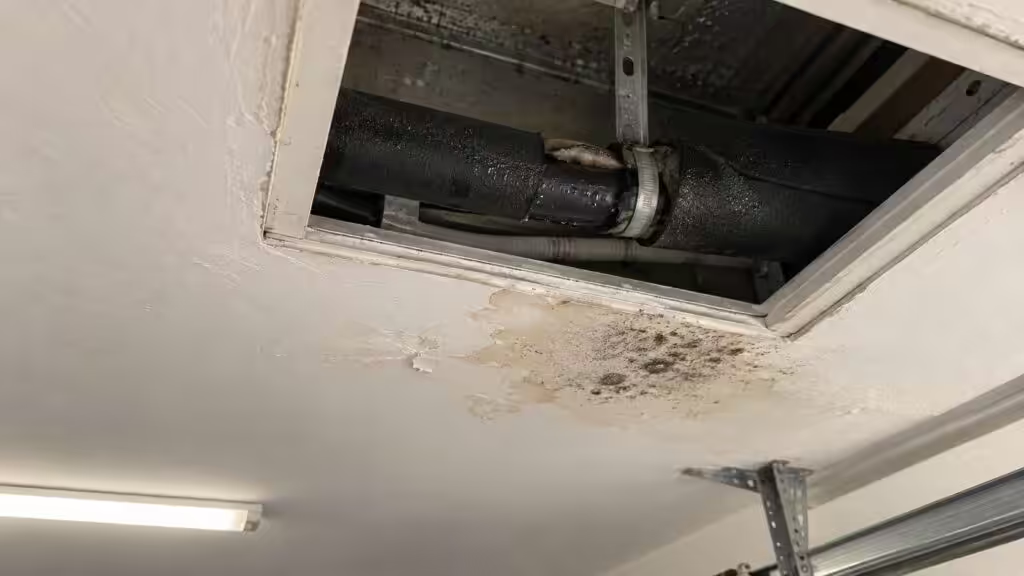
You may notice mold near AC pipes, ceiling access panels, duct routes, or areas below cooled rooms. The ceiling may feel damp when the AC runs heavily.
Fixing tips:
Check the condensate drain line, drain pan, insulation around cold pipes, and duct sealing. Clean clogged drain lines and replace damaged insulation. If condensation forms because cold surfaces meet humid garage air, improve insulation and reduce humidity. If mold is near HVAC components or the intake side of the system, EPA recommends checking HVAC/duct cleaning guidance when the system may be part of an identified moisture problem.
Do not spray random chemicals into vents or AC components. Get the mechanical moisture issue fixed first.
4. Poor Garage Ventilation
A garage with poor airflow can trap humid air, vehicle moisture, chemical odors, and heat. When that humid air meets a cooler ceiling surface, condensation can form. Over time, mold may grow on dust, paint, or drywall paper.
This is common in closed garages with no exhaust fan, blocked vents, sealed doors, or stored items stacked to the ceiling. In villas and townhouses, garages can become humid boxes if airflow is ignored.
Fixing tips:
Improve air movement. Keep vents open, install or repair exhaust fans, avoid sealing the garage completely without ventilation, and create airflow around ceiling and wall edges. If the garage is air-conditioned, make sure it is also dehumidified properly, not just cooled. Move bulky storage away from walls and ceiling corners.
After cleaning mold, continue monitoring humidity. If the air stays damp, mold can return.
5. Wet Cars Parked Inside Daily
Cars bring moisture into the garage after rain, washing, humidity, or AC condensation. Water drips from tires, undercarriage, floor mats, and car AC systems. If the garage stays closed, that moisture evaporates and increases indoor humidity.
This may not cause mold overnight, but repeated moisture can support ceiling condensation, especially when the ceiling surface is cooler than the garage air.
Fixing tips:
Let wet cars dry before closing the garage for long periods. Improve drainage on the garage floor. Use ventilation after parking wet vehicles. Avoid storing wet floor mats or cleaning cloths inside the garage. If moisture is frequent, use a dehumidifier or exhaust fan.
Also check whether the garage door seals are trapping too much humidity. A garage needs controlled airflow, not stale damp air.
6. Water Seepage From Exterior Walls or Slab Edges
Sometimes the ceiling mold is not from the roof center but from slab edges, exterior wall joints, or balcony/terrace connections. Water can travel along concrete or framing before appearing on the garage ceiling. This makes the visible mold patch misleading because the source may be several feet away.
Signs include mold near corners, ceiling-wall junctions, expansion joints, or exterior-facing sides of the garage.
Fixing tips:
Trace the moisture path. Inspect exterior cracks, balcony waterproofing, wall joints, and slab edges. Repair exterior waterproofing before interior cleanup. If water is entering from outside, interior paint or primer will not stop the problem. Once repaired, dry the ceiling cavity and remove damaged materials.
For recurring garage ceiling mold, moisture mapping is useful because the visible patch may not reveal the true leak point.
7. Damp Storage Touching the Ceiling or Blocking Airflow
Garages often become storage rooms. Cardboard boxes, fabric, old furniture, wood, sports gear, and cleaning supplies can trap moisture. If items are stacked high against the ceiling or walls, they block airflow and create microclimates where mold grows.
The ceiling may develop mold above shelves, storage racks, or corners where air cannot circulate. The stored items themselves may also become moldy.
Fixing tips:
Remove cardboard, cloth, and wood items that smell musty or show mold. Keep storage off the walls and away from the ceiling. Use sealed plastic bins instead of cardboard. Leave airflow gaps around shelving. Do not store damp tools, towels, rugs, or furniture in the garage.
If mold is on both stored items and the ceiling, clean the garage as a whole system. Otherwise spores and dust can keep resettling.
8. Uninsulated Ceiling Below a Cooled Room
If the garage ceiling sits below an air-conditioned room, temperature differences can create condensation. Warm humid garage air touches a cooler ceiling, and moisture collects on the surface or inside the cavity. This can happen even when there is no leak.
You may notice mold spread evenly across cooler ceiling zones, especially during humid months or when the upstairs room is heavily cooled.
Fixing tips:
Improve insulation between the cooled room and the garage. Seal air gaps that allow humid garage air into the ceiling cavity. Keep the garage humidity controlled. If the ceiling has repeated condensation, cleaning alone will not solve it. The temperature and moisture imbalance must be corrected.
This is a common reason mold returns after repainting. The paint was not the problem. The condensation condition was.
9. Previous Leak That Was Never Dried Properly
A garage ceiling may grow mold after an old leak even if the leak has already been repaired. If drywall, insulation, or wood stayed wet for too long, mold can keep developing inside the material. The surface may look dry, but the cavity can remain contaminated.
This often happens after quick patch repairs where the stain was painted over without removing wet material.
Fixing tips:
Open a small inspection area if moisture history is unclear. Check whether insulation, drywall backing, or framing is moldy. Remove materials that are too damaged or contaminated to clean. EPA guidance explains that absorbent materials can be difficult to clean completely once mold grows into spaces and crevices, and some may need to be discarded.
After removal, dry the area fully before rebuilding. A dry repair is much more important than a fast repair.
10. Poor Previous Mold Cleaning or Painting Over Mold
Sometimes the mold comes back because it was never properly removed. Someone may have wiped the ceiling, sprayed bleach, or painted over the stain. The wall looked better for a while, but moisture and residue stayed behind.
Painting over mold is a common mistake. It hides the warning sign without solving the growth. EPA specifically says not to paint or caulk moldy surfaces because paint applied over mold is likely to peel.
Fixing tips:
Remove loose paint and contaminated surface material where appropriate. Clean hard surfaces with detergent and water, dry completely, and only repaint after the area is clean, dry, and stable. If the ceiling material is porous and moldy, replacement may be safer than repeated surface treatment.
Use mold-resistant primer or paint only after cleanup and moisture correction. Primer is prevention support, not remediation.
How to Clean Small Black Mold on a Garage Ceiling
For a small patch on a hard, non-porous or painted surface, you may be able to clean it yourself if there is no active leak and the material is not damaged. Wear gloves, eye protection, and a suitable mask or respirator. Lightly dampen the area to reduce dust, scrub with detergent and water, wipe residue away, and dry completely.
Do not dry-sand moldy material. Do not use a leaf blower or high-pressure air. Do not spray bleach over your head in a closed garage. Also, do not clean a ceiling patch before fixing the moisture source.
If the affected area is large, the drywall is soft, the mold is inside the ceiling, or the garage smells musty even after cleaning, call a professional. EPA advises using professional judgment for remediation and notes that the level of containment can depend on contamination size, location, and risk of spreading mold to occupied areas.

How to Find a Reliable Mold Removal Service in Dubai
To find a reliable mold removal service in Dubai for garage ceiling mold, look beyond basic cleaning ads. You need a team that understands moisture, containment, material removal, drying, and prevention. Garage ceiling mold often involves leaks, AC condensation, or hidden ceiling cavities, so the company should not only spray visible spots.
Start by asking these questions:
- Do you inspect the moisture source before cleaning?
- Do you check AC condensation, plumbing, roof, and ceiling cavities?
- Do you use containment when removing moldy ceiling material?
- Do you use HEPA filtration or HEPA vacuuming where appropriate?
- Do you remove contaminated porous materials when needed?
- Do you provide photos and a written scope?
- Do you follow recognized guidance such as EPA or IICRC-style remediation principles?
- Are your technicians trained for mold cleanup, not only general cleaning?
- Do you offer prevention recommendations after cleanup?
Dubai has general cleaning companies, AC cleaning companies, pest control providers, home maintenance teams, and specialized mold remediation firms. For ceiling mold, choose a specialized mold removal or remediation provider when the issue is recurring, hidden, widespread, or moisture-driven.
Also check credibility signals. Look for mold-specific experience, documented process, insurance, clear pricing, trained technicians, good recent reviews, and willingness to explain what happens if mold is behind the ceiling. Some providers in Dubai also advertise international or industry credentials such as IICRC, NADCA, ACAC, or indoor air quality certifications; verify any certification directly if it matters for your property or insurance case.
Avoid companies that promise permanent mold removal without inspecting moisture. No service can honestly guarantee a mold-free ceiling if the roof still leaks or the AC drain still drips.
Key Takeaway
Black mold on a garage ceiling is almost always a moisture warning. The cause may be roof leakage, plumbing above the garage, AC condensation, poor ventilation, wet vehicles, exterior seepage, damp storage, insulation problems, old water damage, or poor previous cleanup.
The right fix depends on the cause. A small surface patch may only need detergent cleaning, drying, and better ventilation. A ceiling with soft drywall, hidden mold, recurring stains, or active leakage needs deeper repair. Cleaning the black patch without fixing moisture is usually temporary.
For Dubai properties, choose a mold removal service that investigates the source, not just the stain. The best provider should understand building moisture, AC-related condensation, ceiling cavity inspection, containment, safe removal, HEPA cleaning, drying, and prevention. Once the moisture is fixed and the contaminated material is properly cleaned or removed, the garage ceiling has a much better chance of staying mold-free.
The stain is only the symptom. The real fix is stopping the moisture, removing affected material when needed, and drying the ceiling properly.